Replacing an aging boiler is a significant investment, especially when your Westchester home has an older heating system. The average national boiler replacement cost is approximately $6,100, with most homeowners paying between $3,000 and $8,500.
However, New York metro pricing often runs 10% to 25% higher than national averages, making local estimates particularly important. Your total investment depends on the equipment installed, what the installation involves, and whether your existing system requires additional attention.
Cost by Fuel Type and Scope
Your boiler’s fuel impacts the overall replacement price. Gas and oil systems require different equipment, and labor costs depend on the installation’s complexity.
The figures represent national estimates, not local pricing:
| Cost Item | National Range |
|---|---|
| Gas boiler replacement | $4,000 to $10,000 |
| Oil boiler replacement | $4,800 to $9,000 |
| Installation labor | $1,000 to $3,500 |
| Average boiler repair | Approximately $450 |
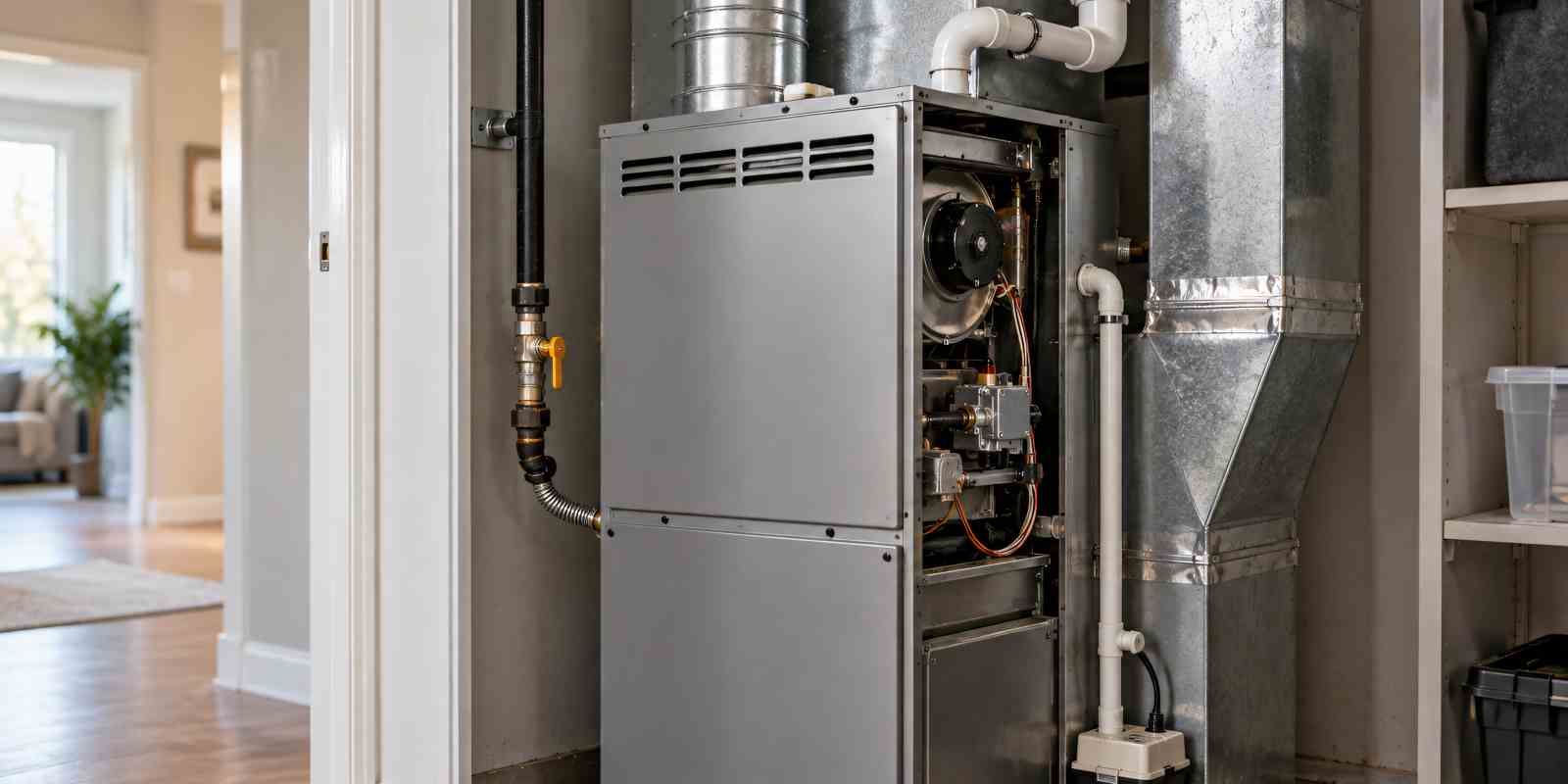
Gas boilers require suitable fuel connections and approved exhaust venting. Oil boilers have additional components associated with fuel storage and delivery, including tanks, supply lines, and burners.
Boiler installation labor involves removing the existing unit, installing the replacement, and checking its operation. Complex projects may require additional plumbing, electrical, or venting work. The labor figures above represent part of the total installed price, not an expense automatically added to it.
Homeowners considering repairs should also weigh their boiler’s age and condition. A relatively inexpensive repair might extend a functioning system’s life, while recurring breakdowns could make replacement a better long-term investment.
What Pushes a Quote Higher in Older Homes?
Westchester’s older homes often contain heating infrastructure that requires special attention during boiler replacement. Existing chimneys, aging pipes, and outdated venting arrangements can add expenses beyond the equipment purchase.
Chimney Relining and Venting Changes
The U.S. Department of Energy explains that chimney modifications may be necessary when replacing older heating equipment. A replacement boiler may produce cooler exhaust gases or have different venting requirements than the original system. An oversized or deteriorated chimney can create condensation and draft problems, potentially requiring a properly sized liner.
Some homes also have boilers and water heaters sharing one chimney. Moving the new boiler to separate venting can leave the water heater connected to a flue that’s too large for its exhaust.
High-Efficiency Boiler Installation
Condensing boilers recover additional heat from combustion gases, improving fuel efficiency. However, their cooler exhaust produces acidic condensate that requires appropriate drainage and corrosion-resistant venting materials.
Installing these components can increase labor and material costs compared with a straightforward replacement. Your contractor should evaluate the existing system before determining which modifications are necessary.
How Right-Sizing Affects the Price
Bigger boilers aren’t automatically better. An oversized system can repeatedly start and stop, a condition called short cycling, which wastes energy and increases equipment wear.
The Department of Energy recommends evaluating heating requirements before selecting replacement equipment. Homes with upgraded insulation, better windows, or improved air sealing may need less heating capacity than when their original boilers were installed.
A properly sized hot-water boiler may reduce equipment expenses while delivering dependable heating. Steam boilers require additional consideration because their capacity must accommodate the connected radiators.
Contractors should evaluate the system’s specific requirements instead of simply matching the old boiler’s specifications. For additional guidance, read our companion article on proper boiler sizing.
Incentives and Payment Options in 2026
Homeowners planning a replacement should understand that federal incentives have changed. The IRS’s official clarification of federal energy tax credits establishes December 31, 2025, as the final placed-in-service date for equipment to qualify under the Section 25C Energy Efficient Home Improvement Credit. Consequently, qualifying boiler installations completed in 2026 aren’t eligible for that credit.
State and utility incentives may still support certain heating improvements, although eligibility varies. Con Edison programs and NYS Clean Heat primarily emphasize qualifying efficiency upgrades and heat pump technologies, so conventional gas or oil boiler replacements shouldn’t be assumed eligible.
Getting an Itemized Boiler Replacement Quote
A written estimate makes comparing contractors easier because you’ll understand exactly what’s included in each price. Your quote should identify the boiler manufacturer, model, heating output, and installation scope, not just the boiler’s cost. The project should also account for any venting modifications, chimney work, old equipment removal, and necessary permits.
Ask how the contractor determined the boiler’s capacity and whether existing components need replacement. Clarifying these details can help prevent unexpected expenses after work begins. For an accurate boiler replacement cost estimate, contact A. Borrelli Mechanical online or by calling us at (914) 359-3479.
A. Borrelli Mechanical also offers flexible financing options for qualifying customers, helping homeowners manage installation expenses. Our family-owned Westchester team can evaluate your heating system and provide an itemized quote based on your home’s specific needs.