Your offer on an older home was accepted, and a home inspector is booked to walk through a house you’ve stood in exactly once. You’re worried about a musty smell in the basement because you know it can signal plumbing issues in older homes.
You know an inspector will note the smell. What you don’t know is whether they’ll find the root cause, or whether a note in the report will be enough to make the seller fix the issue.
Licensed home inspectors in New York State work to a scope that is narrow by design and established by regulation. That regulation is the same for a 1936 colonial in Pleasantville as for a house built in the nineties out in Somers.
Once you know where that scope ends, you’ll know that having an inspection from a licensed plumber before you sign is a step in the buying process you don’t want to skip.
| In this article: Home inspections in New York follow a scope written into regulation, and it stops short of concealed piping, shut-off valves, and the sewer line under the front yard. Here’s what a standard inspection covers, what it leaves for someone else, and why the plumber has to come before you sign. |
Why Timing Matters More in Westchester
In much of the U.S., buyers sign the paperwork first and then have inspections during a contingency period. That isn’t true in Westchester, where attorneys draft the contract while the buyer is still doing due diligence. So here, the physical inspection happens before anyone signs and before a deposit changes hands. Either side can walk at that point with no legal consequence.
That is a short window, and finding issues in that time is important. Something you turn up before a contract exists is a negotiating item. The same thing found after the contract is signed and the deposit is in escrow is generally the buyer’s problem.
What a Standard Home Inspection Covers
New York’s standards of practice for licensed home inspectors spell out the plumbing portion in fairly specific terms. This includes what the rule requires and what it intentionally leaves out.
| Plumbing Element | What the Inspection Does | What It Doesn’t Do |
| Fixtures and faucets | Operates them and reports on what they show | Determine water temperature |
| Supply and drain lines | Reports on the visible portions | Observe concealed piping |
| Water heater | Observes it and reports on its condition | Assess a system that is shut down |
| Main and branch valves | Leaves them as found | Operate them for testing |
None of this is a knock on inspectors. They’re working to a state-mandated scope, and staying within that scope is part of doing the job properly.
Where the Standard Scope Stops

According to 19 NYCRR 197-5.16, inspectors aren’t required to observe anything concealed, move furniture or stored items, lift floor coverings, pull down attached wall or ceiling panels, or run any test that might damage what they’re looking at.
In a house with a finished basement ceiling and the seller’s boxes stacked three deep along the foundation wall, that’s a lot of pipe nobody is inspecting. The buried sewer lateral out to the street isn’t part of the exercise at all, among many other common concerns, especially in older homes.
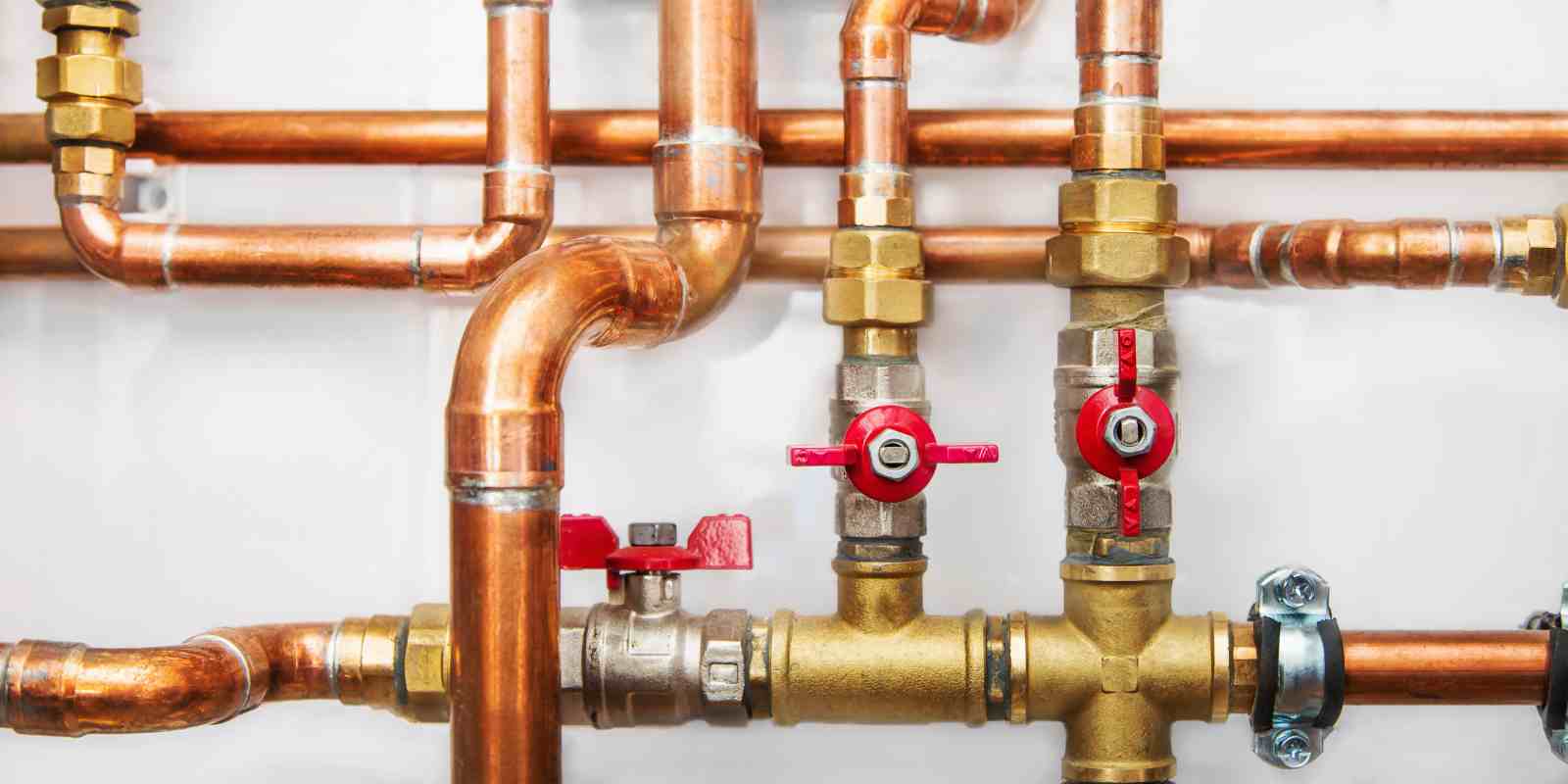
An inspector also isn’t required to operate main or branch valves. A main shutoff that hasn’t been turned since the Ford administration may be seized solid, and the day you find that out shouldn’t be the day a supply line lets go.
Inspectors can’t report on a system that’s been shut down. Vacant houses in the Westchester area usually have the water heater and the boiler both off. This means the two most expensive items in the basement come back on the report as observed, not evaluated.
When To Schedule the Plumbing Inspection
Ideally, a plumbing inspection is scheduled in the same window as the general inspection. Even on the same morning, if possible, so that both reports get to your attorney before the contract language is settled.
If the plumber finds a bellied sewer line, you walk into that conversation holding video, a written scope of repair, and a cost estimate. That reads very differently than a line item saying “recommend further evaluation by a licensed plumber.”
If you wait until after signing to have the plumbing inspected, you’re left with a scope of work and a cost you’ll most likely have to cover.
What Needs To Be Checked in Older Westchester Homes
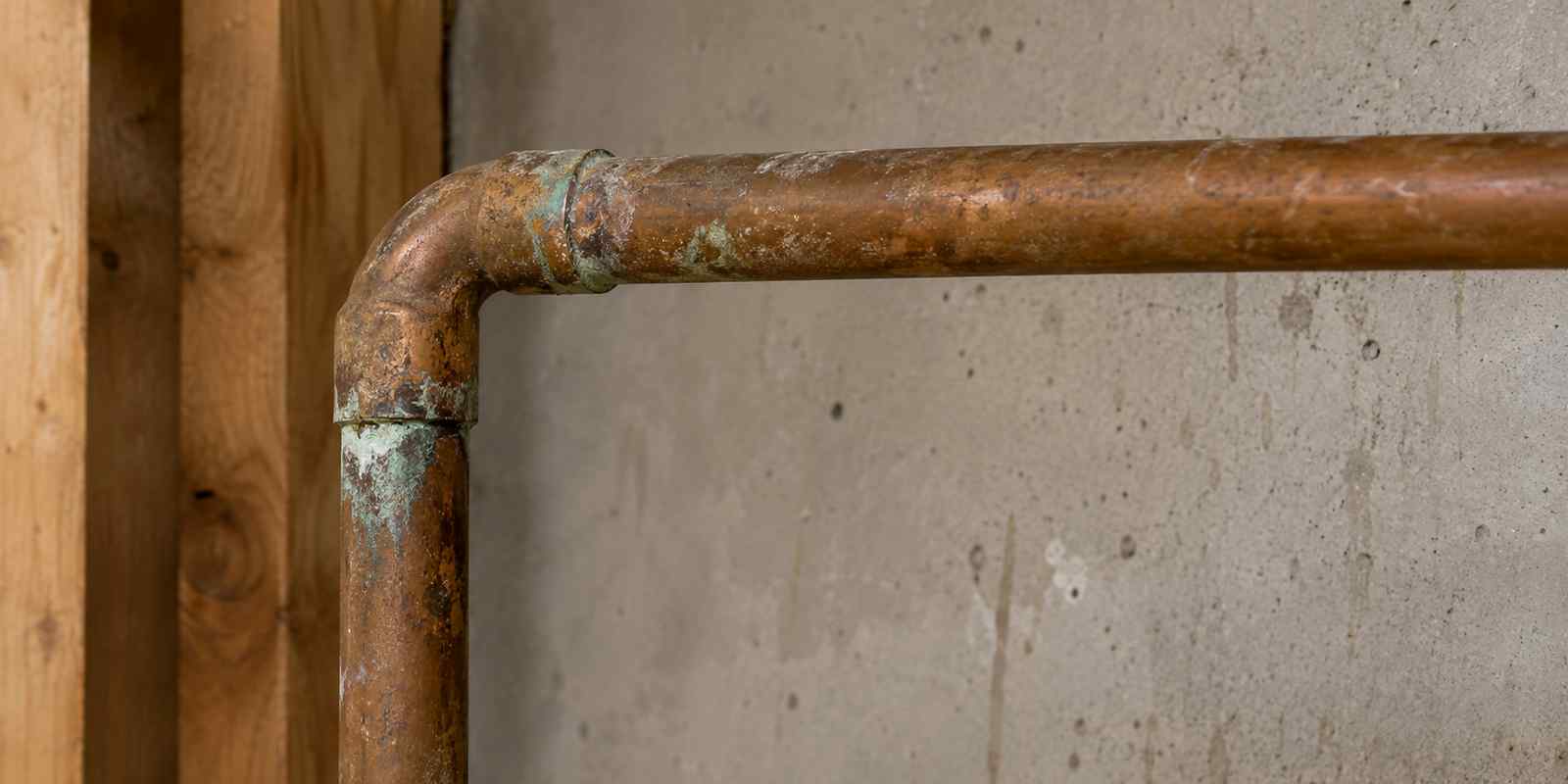
An important question in older Westchester area homes is what the supply piping is made of. Galvanized steel was standard in the area for decades, and it corrodes from the inside out. This means a line can look perfectly sound from the outside, but be reduced to a fraction of its original diameter.
Galvanized steel has a second problem. Lead can accumulate on the interior surface and later release into the water, and solder used before 1986 ran high in lead. To mitigate these problems, federal rules now require replacing some lines, including lines that were never downstream of a lead service line.
Lead in water can’t be seen, tasted, or smelled. Testing the water is the only way to know. You can call the utility company serving the property, which should be able to tell you what the line is made of. That can offer some peace of mind if your line has been updated, but isn’t a guarantee.
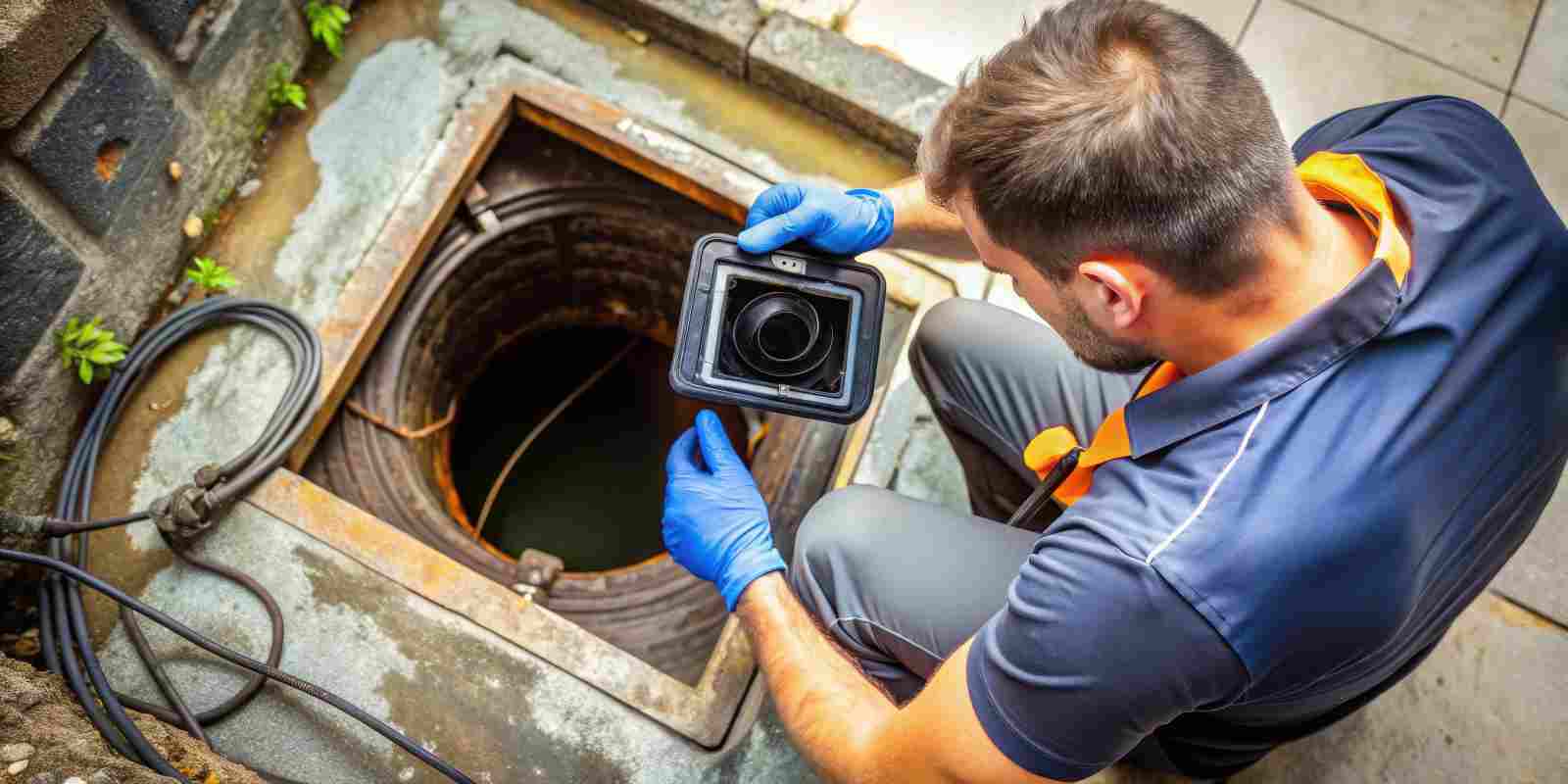
Mature trees between the house and the street can affect the sewer lateral. A plumber can run a camera down the line and inspect it for any problems, including intrusive roots, offset old clay joints, and low spots holding water.
A plumbing inspection can also note the pipe material at every accessible run, whether the main shutoff actually turns, and anything that looks like past work done without a permit. Permit and code requirements vary by municipality in Westchester, so check local rules on that last one.
Bring a Plumber Into Your Due Diligence

A general inspection is limited in scope and is meant to flag the conditions it finds. It isn’t built to price them. What a repair involves, how soon it needs to happen, and what it takes to put right are questions for somebody who does that work for a living.
At A. Borrelli Mechanical, we’ve been helping Westchester homeowners since 1981. We know what the housing stock in Pleasantville, Bronxville, Tarrytown, New Castle, and the surrounding area tends to hide behind a finished ceiling.
After you receive our report, talk to your attorney about how findings should be raised before the contract is signed. That can vary from transaction to transaction.
If you’re in the process of buying a home, contact A. Borrelli Mechanical to schedule a plumbing inspection.