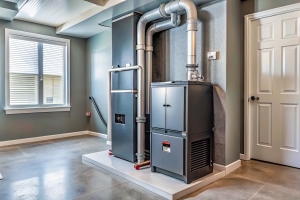
Furnace problems don’t all carry the same urgency. A gas smell or a sounding carbon monoxide alarm means you should leave the house right away, and a furnace that quits during a Westchester cold snap needs a call the same day. Many other issues, like a clogged air filter, uneven heating, or a slow rise in your energy bills, can wait for a scheduled furnace repair visit later in the week. Sorting your furnace’s symptoms by urgency helps you know when to call for furnace repair without paying for an after-hours visit you didn’t need. A furnace that stops heating during a Westchester cold snap needs prompt attention, while a clogged air filter may require only a quick replacement. Knowing when to request furnace repair can help you avoid unnecessary emergency calls without overlooking dangerous conditions. Gas odors and carbon monoxide alarms demand immediate action, but other symptoms give you time to schedule a regular appointment.
Gas Smells and Carbon Monoxide Alarms Need Action Now
If you notice a rotten-egg smell near your gas furnace, you may have a gas leak. Utilities add this smell to natural gas so you can recognize a leak quickly.The distinctive rotten-egg smell near a natural gas heating system can signal a dangerous gas leak. Utilities add this distinctive smell to natural gas so occupants can recognize potential leaks.
Con Edison’s gas safety instructions tell you togas safety instructions direct leave immediately if you smell gasresidents who smell gas to leave immediately without using light switches, electrical appliances, or phones inside. Once you’re safely outsidewithout operating light switches, electrical appliances, or phones inside. Once safely outside, call 911 or Con Edison at 1-800-752-6633. Don’t go back inside until emergencyreturn until emergency personnel confirm it’s safe.
Carbon monoxide is a different kind of danger because you can’t see or smell it. A malfunctioning gas or oil furnace can release carbon monoxide into your home when combustion or venting problems let exhaust gases into your living space.Carbon monoxide presents a different sort of danger because the gas has no detectable smell or color. A malfunctioning gas or oil furnace can release carbon monoxide when combustion or venting problems allow exhaust gases into occupied spaces.
Carbon monoxide exposure can causeCommon symptoms of carbon monoxide exposure include headaches, dizziness, nausea, and confusion. If your carbon monoxide alarm goes off, treat it as an emergency. Leave the building at once, and call 911 once you’re safely outside.Treat an activated carbon monoxide alarm as an emergency by leaving the building at once and calling 911 only after you are safely outside.
Your furnace’s heat exchanger keeps combustion gases out of the air you breathe, but a crack can let them escape. A technician needs to inspect the furnace before you use it again. Never restart a furnace you suspect is producing carbon monoxide until the problem has been checked.The heat exchanger helps isolate combustion gases from indoor air, but cracks in its structure can interfere with that important separation. Professional inspection is necessary to determine whether the furnace can operate safely. Never restart equipment suspected of producing carbon monoxide until the hazard has been investigated.
No Heat in Freezing Weather Needs a Call Right Away
If your furnace stops producing heat during freezing weather, your plumbing can be damaged. Pipes in exterior walls, crawl spaces, and unheated basements are most at risk.A furnace that stops producing heat during freezing weather can leave plumbing vulnerable to damage. Pipes running through exterior walls, crawl spaces, and unheated basements are particularly susceptible.
The American Red Cross recommends keeping your home at leastmaintaining indoor temperatures of at least 55°F when you leave it during cold weather. Pipes in poorly insulated areas can get colder than your thermostat reading.when leaving a home unattended during cold weather. Temperatures surrounding poorly insulated pipes can fall below the thermostat reading.
Call for emergency heating service when your furnace isn’t working and indoor temperatures are dropping during a cold snap because waiting until the following business day could allow vulnerable plumbing to freeze.
While you wait for help, open the cabinet doors under sinks on exterior walls so warmer air can reach the pipes. Never use a gas oven to heat your home.While waiting for assistance, open cabinet doors beneath sinks along exterior walls to circulate warmer air around plumbing. A gas oven should never be used to warm your home.
Symptoms That Get Worse When Ignored
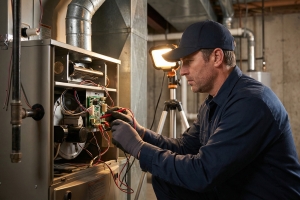
If your furnace keeps shutting down, the cause could be restricted airflow, a thermostat problem, or a faulty safety control. Short cycling occurs when your furnace ends its heating cycles early and restarts again and again. According to Energy Star’s HVAC installation guidance, oversized heating equipment may cycle excessively, which can make your home less comfortable and shorten your furnace’s life. If this keeps happening, have a technician diagnose it before the problem gets worse.
Dirty burners and damaged heat exchangers can also keep your furnace from burning fuel properly. Energy Star’s heating maintenance checklist recommends having a professional inspect your burners, fuel connections, and heat exchanger.
Don’t ignore new furnace noises. Persistent grinding or squealing may point to a blower motor problem, while loud banging when your furnace ignites can signal abnormal combustion.
If your furnace bangs loudly or ignites in a way that seems unsafe, shut it down and call for an urgent inspection. Energy Star also recommends scheduling your heating inspection in the fall, before winter service demand picks up.
Furnace Problems That Can Wait a Few Days
Some heating problems give you time to troubleshoot beforeSome heating problems allow time for basic troubleshooting before you schedule a service appointment. A dirty furnace filter is a common example.
When dust blocks airflow, your furnace’s blower has to work harder to move air through the system. If airflow gets too restricted, the furnace can overheat, and its safety switches may shut off the heat.When dust blocks normal air movement, the blower must work harder to maintain circulation through the system. If airflow is restricted too severely, overheating can occur, and protective switches may shut off the heating cycle. Energy Star recommends checking your filter monthlychecking filters monthly during heavy use and replacing it as needed.and replacing them as needed.
Before you schedule service, start with a few basic checks:Before scheduling service, homeowners can start with a few basic checks:
- Check the thermostat. Make sure it’s set to heat and the set temperature is higher than the room’s current temperature.Look at the thermostat settings to confirm heating is enabled and the programmed temperature is above the room’s actual temperature.
- Look at the air filter. If it’s covered in dust, replace it with one that matches your system’s size and type.Check whether dust has collected on the system’s air filter, and replace any dirty filter with one that meets the equipment’s size and type requirements.
- Check your supply and return vents. Move any furnitureExamine supply and return vents. Remove furniture, rugs, or other objects blocking airflow.
If your furnace keeps your home warm but you notice uneven heating or rising utility bills, schedule an inspection. Leaky ductwork, restricted airflow, and insulation problems can all cause these symptoms.Uneven heating and rising utility bills can also justify a scheduled inspection when the furnace maintains adequate indoor temperatures. Leaky ductwork, restricted airflow, and insulation problems can contribute to these symptoms.
Pay closer attention if your furnace keeps blowing cold air. Briefly cooler air during a normal heating cycle can be harmless. But if your furnace blows cold air continually and your house isn’t warming up, it needs a diagnosis.Persistent cold airflow deserves closer attention. Briefly cooler air during a normal heating cycle may be harmless, but a furnace that continually blows cold air without warming the house needs diagnosis.
Symptoms That Get Worse When Ignored
Repeated furnace shutdowns can indicate airflow restrictions, thermostat problems, or malfunctioning safety controls. Furnace short cycling occurs when heating cycles end prematurely and restart repeatedly. According to Energy Star’s HVAC installation guidance, oversized heating equipment may cycle excessively, reducing comfort and potentially shortening equipment life.
Dirty burners and damaged heat exchangers can also interfere with proper combustion. Energy Star’s heating maintenance checklist recommends professional inspections of burners, fuel connections, and heat exchangers.
New furnace noises also deserve attention. Persistent grinding or squealing may indicate blower motor problems, while loud banging during ignition can signal abnormal combustion.
Shut down equipment exhibiting potentially dangerous ignition behavior and arrange urgent professional evaluation. Energy Star recommends scheduling heating inspections in the fall, before winter service demand increases.
Getting the Right Kind of Appointment
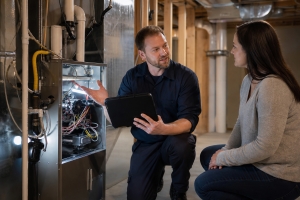
When you request an appointment, describe your furnace’s symptoms, its approximate age, its fuel type, and any error codes it shows. Mention whether it still keeps your home comfortable or keeps shutting down. These details help the office judge how urgent the problem is and prepare for your visit.When requesting an appointment, describe the furnace’s symptoms, approximate age, fuel type, and any displayed error codes. Mention whether the system still maintains comfortable temperatures or repeatedly shuts down. These details help the office assess urgency and prepare for the service visit.
For dependable furnace repair in Westchester, NY, call A. Borrelli Mechanical at (914) 359-3479 or contact us online. Family-owned since 1981, our team provides personalized service and rapid response throughout Westchester. We can help you choose the right appointment for your heating problem and find the repairs needed to get your furnace running reliably again.rapid response for local homeowners. We can help determine the appropriate appointment for your heating problem and identify the repairs needed to restore reliable operation.