Clogged or slow drains are among the most common household plumbing complaints. With a quick trip to the local hardware store, you can find dozens of cleaners promising to help. And they often do, at least for a time.
But chemical cleaners can damage pipes, fixtures, and seals, and their solutions are often temporary. Many clogs are caused by a film that builds up on the interior of the pipes and slowly chokes the flow of water. Chemical cleaners essentially poke a hole in that mass, which often closes again in a matter of weeks.
Professional drain cleaning does more. It uses cabling, jetting, and cameras to clear that buildup from the pipe walls, leaving the pipe clean.
| In this article: What store-bought drain cleaners actually do, why they aren’t long-term solutions, and why professional cleaning offers lasting relief from clogged or slow drains. |
What Store-Bought Drain Cleaners Actually Do
Non-enzymatic drain openers work chemically. The National Capital Poison Center notes that these products contain acidic ingredients such as sulfuric and hydrochloric acids, or alkali ingredients such as sodium and potassium hydroxide.
Sodium hydroxide is often used in household drain cleaners. The federal Agency for Toxic Substances and Disease Registry describes it as very corrosive and able to cause severe burns to the eyes and skin on contact, and to the gastrointestinal tract if swallowed.
Dissolving sodium hydroxide in water can create substantial heat. A Delaware public health fact sheet adds that near moisture, sodium hydroxide can burn or eat away at animal and vegetable tissue and even some metal.
When using store-bought drain cleaners, read the handling instructions and follow the safety precautions. Poison Control advises goggles and rubber gloves, pouring carefully and close to the drain to avoid splashing, and keeping containers tightly closed and out of reach of children.
When used and stored carefully, store-bought drain cleaners are generally safe enough for most homes when handled as directed. The real problem is that they are generally not as effective as people assume.
Why the Clog Comes Back
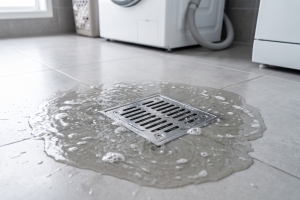
When a drain is clogged, the problem is often not one object sitting in one spot. Instead, it’s a hardened ring of fats, oils, grease, hair, food particles, and other debris that has built up along the pipe wall for years. A drain line that started out an inch and a half across can narrow to the width of a pencil and is easily clogged.
A chemical poured into that will react first with the softest, wettest part of the mass, which happens to be the plug sitting in the middle. Once that is cleared, the water moves again, and you might feel like it’s fixed.
But once the water is moving, it carries away the chemical meant to clear the clog. This leaves the ring on the pipe wall that narrowed the line in the first place. As soon as you use the drain again, it starts collecting more debris.
If the product doesn’t clear the blockage, what you’re left with is a caustic liquid sitting in your pipes and sink. If you then have to pull that trap apart, you’ll need to take every precaution to prevent that liquid from contacting your skin or eyes.
What a Professional Does on Site
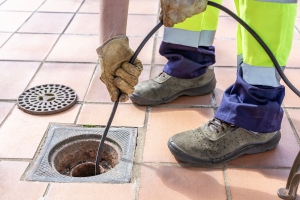
On a service call, the plumbing technician will look at the problem, determine the cause of the blockage, and choose the right tool for the job.
| Method | What It Does | When It Fits |
| Cable machine | Punches through the blockage and cuts obstructions loose | Local clogs, root intrusion, and first response on an unknown line |
| Hydro jetting | Scours the full pipe wall with high-pressure water | Grease and sludge in a line that keeps closing up |
| Camera inspection | Shows pipe condition, where the defects are, and how far down the run they sit | Repeat backups, or any line you suspect is physically damaged |
A technician selects the cable and cutting head based on the size of the pipe. An undersized cable will punch a hole through debris but leave a similar problem as a chemical cleaner with grease and film stuck to the wall of the pipe. An oversized head sent into a fragile pipe can cause damage.
Hydro jetting works on the wall itself. A nozzle matched to the line’s diameter and the machine’s flow pulls itself upstream on rear-facing jets while flushing everything it loosens back down and out past the cleanout. The result is a pipe wall much cleaner than store-bought chemicals can achieve.
Technicians also use cameras to inspect the condition and size of the pipes so they can match the right tool to the job. They can also find larger issues, such as galvanized pipes that have corroded from the inside in a way that drain cleaning won’t fix. The pipe may still be serviceable, but will need additional maintenance until it’s replaced.
What the Camera Finds Beyond the Clog
When a technician runs a camera through a line, they and the homeowner can see that the pipe has been cleared and if any problems remain that need to be addressed.
For example, roots can enter through joints, cracks, and failed connections. Camera footage can show whether you’ve got a few feeder roots at one hub or a mat that has taken over an entire run of pipe.
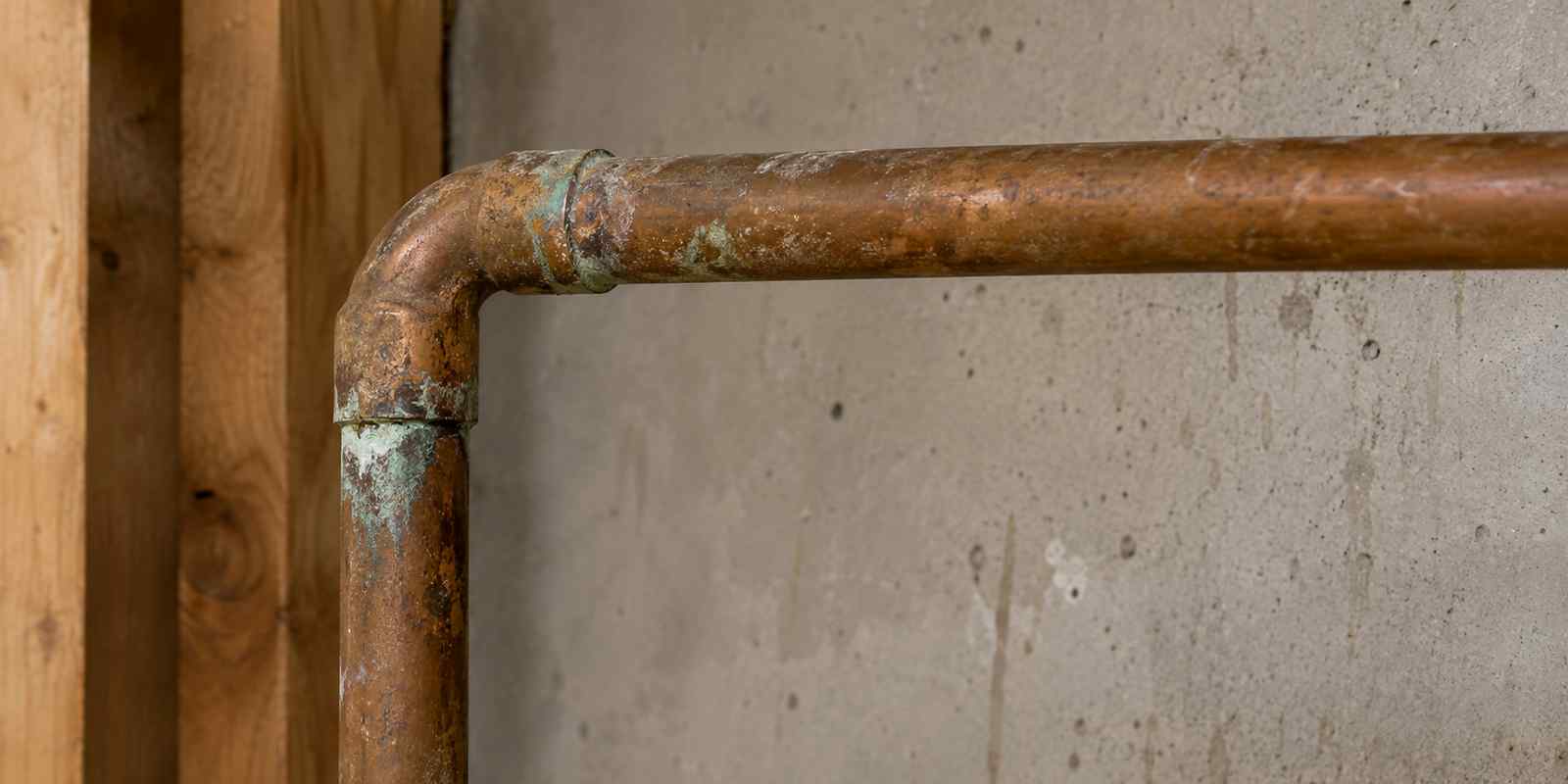
Footage can also show corrosion in older cast iron or galvanized steel plumbing. As these metals age, they corrode from the inside out, and that corrosion forms rough ledges that grab everything passing over them. Age is the main driver here, and no amount of cleaning can reverse it.
A camera also finds sagging sections or offset joints that can collect solids, showing not only whether a repair is needed but also where it is needed.
Why Older Homes Need a Gentler Approach
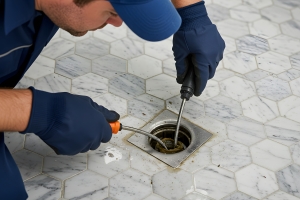
Most of the housing stock in Pleasantville, Scarsdale, and the river villages went up long before PVC was standard. That means laterals of cast iron or vitrified clay, plus some postwar bituminous fiber pipe that deforms with age.
These materials are often aged and weakened and may not hold up to repeated exposure to harsh drain-cleaning chemicals or standard clearing with cable machines and hydro jetting. Severely corroded, cracked, collapsed, or deformed pipe needs an inspection and a repair plan first.
If you’ve got heavy tree cover over your sewer run, a camera pass every couple of years is often recommended. It can catch intrusions while the roots are still fine and single, before they build a strong mat that fills the line and is harder to clear.
When To Call a Professional
One slow fixture suggests a local problem in that trap or branch. If you’re comfortable using and storing a store-bought, chemical cleaner, it can be an affordable but temporary solution.
However, if a drain gurgles when you run water somewhere else, that suggests air being pulled through a trap seal, often because the vent path is partly blocked by water in the line. Water backing up at the lowest fixture in the house, usually a basement floor drain or a first-floor tub, suggests a full main line finding the lowest opening it can. Chemicals won’t reach those issues.
At A. Borrelli Mechanical, we’ve been clearing drains in Westchester County homes since 1981. We can show you what’s actually happening inside your pipes and work with you to decide the best solution for your home. Contact us today to schedule a drain cleaning, or reach our emergency plumbing team if the water is already where it shouldn’t be. The good guys are on the way.