Many homeowners in Westchester County, New York, who haven’t done a whole-home pipe replacement or a major remodel have similar water problems. Their pressure might drop the moment someone starts an appliance such as the dishwasher or washing machine. The water might run a little brown after the house sits empty for a weekend. Or the same run has had to be fixed multiple times in less than a year.
Plumbing issues in Westchester homes fit a few patterns because they stem from the materials used when the homes were built, and how those materials have aged with use. Often, people with these issues call a plumber for a quote and are given a range wide enough to mean almost anything. Then, when they get a second opinion, they’re given a second set of numbers that are different still.
Before you decide which quote to trust, you should understand what the scope of work in those bids actually covers and which conditions in your home might be pushing the price up or down.
What a Whole House Repipe Actually Includes
A whole house repipe means replacing every supply line that carries water to your fixtures, which is significantly different from patching one section at a time. A whole-house repipe includes the hot and cold runs from the main shutoff or manifold out to every sink, tub, toilet, washing machine, and hose bib in the house.
Repiping does not include your drain, waste, and vent lines, which are a separate system with their own failure patterns. And it also doesn’t include the service line running from the street or curb into your home, which is priced and permitted separately.
A written quote should state plainly whether opening walls or ceilings to reach those runs is included in the number or billed as a separate line item once the job starts. It should also cover whether any concrete has to be opened up, if, for example, your home is on a slab.
This detail in the scope of work often explains the difference between a bid that seems high and one that seems low. Knowing whether that work is missing from your quote can save you some shock when you finally get the bill.
What Homeowners Are Paying
According to 2026 data from Angi Inc, which aggregates national data from thousands of its users, the average cost across the U.S. of a whole-home repiping project runs from $1,250 to $22,000. The company notes that pricing for a single fixture, which won’t benefit from the bulk pricing of a whole-home project, averages around $1,200.
The price per house has such a wide range due to the differences in the size of the home, the number of fixtures, and complexities such as multiple floors or the need to dig up concrete to access a run. When looking at the price per fixture, homeowners in Westchester County should expect to pay something more than the national average for the size of their building, as homes in the area tend to be older and have relatively complex needs.
Material is another consideration in a whole-home repiping. The following chart lists common options, relative costs, and their pros and cons.
| Pipe Material | Relative Cost | What Drives the Difference |
| PEX | Lowest | Flexible tubing bends around joists and studs with fewer fittings, and it installs faster than rigid pipe |
| CPVC | Middle | Material cost is low, but some municipalities restrict or prohibit it, which limits its application |
| Copper | Highest | Material price per foot runs several times higher than plastic options, and soldering every joint takes longer |
The Factors That Move Your Number
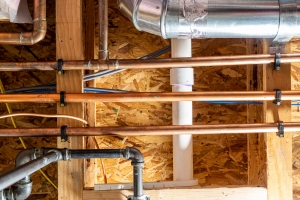
Fixture count moves your total more than square footage. A 3,000 square foot home with two bathrooms may cost less to repipe than an 1,800 square foot home with four bathrooms, a laundry room, and two outdoor spigots, because every one of those fixtures needs its own run cut, routed, and connected.
Access affects labor hours, and labor typically makes up the largest share of the bill. In a basement with an open joist bay and an unfinished ceiling, a technician can run new lines quickly. A finished basement, plaster-and-lath walls, or a slab foundation with no crawl space means cutting, running, and patching in spaces built to stay closed.
A second story adds vertical runs that have to pass through framed walls rather than an open floor. This is part of why homes with upstairs bathrooms tend to quote higher than single-story homes with the same fixture count.
Extra bathrooms, laundry connections, and outdoor spigots each add complexity and cost.
Why Westchester Estimates Run Above National Averages
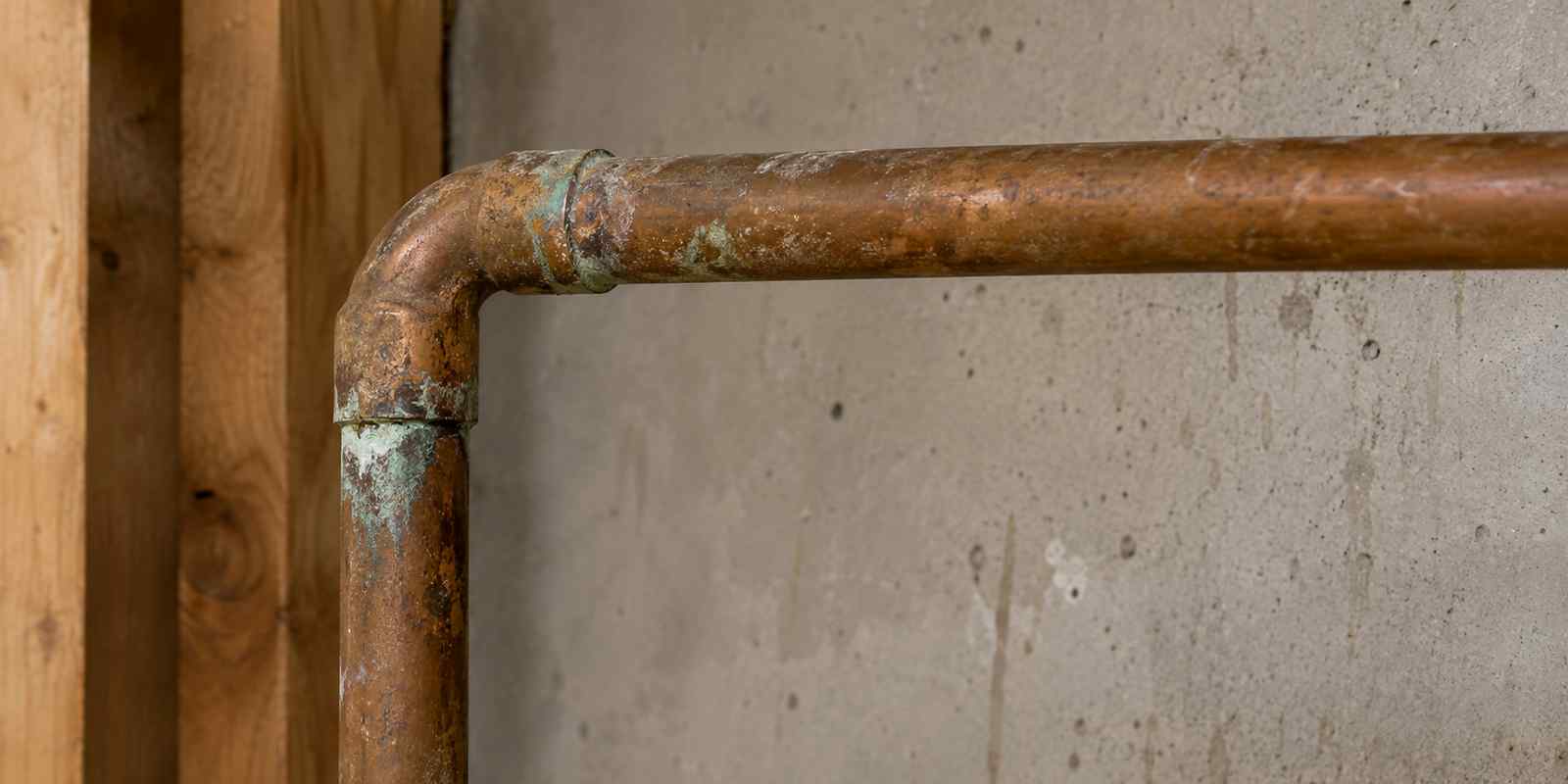
Local labor rates, a relatively high cost of living, municipal permit requirements, and the age of the housing stock all push the cost of repiping a Westchester County home above national averages. Many homes in this county were built before 1960, and a technician opening a wall in one of those houses is far more likely to find galvanized steel than copper.
The way galvanized steel corrodes, and because it’s made of a strong, rigid material, makes it difficult to work with. As it corrodes, the joints tend to seize so that they can’t be undone. Removing pipes often means working in tight wall cavities while cutting through thick layers of strong metal to create pieces short enough to remove.
A technician can often estimate how much service life is left in a run of galvanized steel by combining the pipe’s age with a pressure and flow test. But galvanized steel has a limited lifespan. The zinc plating that coats the pipe’s interior erodes over time and eventually leaves the steel exposed to water. Once that happens, the steel either begins to rust or develops deposits that narrow the pipe until the water pressure becomes unusably low.
In Westchester County, the galvanized steel used in many homes adds additional costs that homeowners should prepare for.
The Lead and Galvanized Question Worth Asking First
New York’s Lead Pipe Right to Know Act, signed in December 2023, requires water systems in the state to inventory the material composition of both the public and the homeowner side of every service line and make that information available to the public. This lets you check how your line is classified before you commit to any plumbing project.
At the federal level, the EPA’s Lead and Copper Rule Improvements require water systems to replace all lead and galvanized steel service lines by November 1, 2037, at a minimum pace of 10 percent per year. If an inspection finds a lead or galvanized service line at the same time your interior supply lines need attention, coordinating both jobs with one crew avoids opening the same trench or wall twice.
Getting an Estimate You Can Compare
To compare multiple bids on the same project, you’ll need to see a realistic scope of work. In every quote, look for:
- The material type, whether it’s copper, PEX, or CPVC. If you’re unsure why that material was chosen, ask the technician the reason and how it fits your home’s layout and local codes.
- The total footage. Longer runs mean more material, more time spent making connections, and possibly more drywall or flooring repair.
- The fixture count. Since each fixture needs its own run and shutoff, lots of fixtures can quickly add to the cost of a whole-home repiping.
- Permit costs. Different municipalities in Westchester County handle permitting differently. Be sure your cost reflects your area.
- Patching. Most repiping jobs involve putting holes in walls, and someone has to repair that. Many plumbing companies leave that out of their bids and contracts.

If a bid seems unusually low, the first thing to check is whether it excludes the cost of repairing damage to walls and ceilings. Plumbers aren’t drywall installers, and they likely won’t do that work themselves. But they can work with other contractors and inform the homeowner of the anticipated costs.
A whole-home pipe replacement is a significant investment. Before you rule it out in favor of another round of patch repairs, consider financing through A. Borrelli Mechanical. We are proud to offer free financing to our customers for up to 12 months on equipment and installations.
Ready To See What Your Home Actually Needs
If you own one of the many homes in Westchester County that is losing water quality and water pressure, contact A. Borrelli Mechanical today. We’ve been repiping and repairing homes across Westchester County since 1981, and we can investigate your system to find the cause and offer solutions. The good guys are on the way.