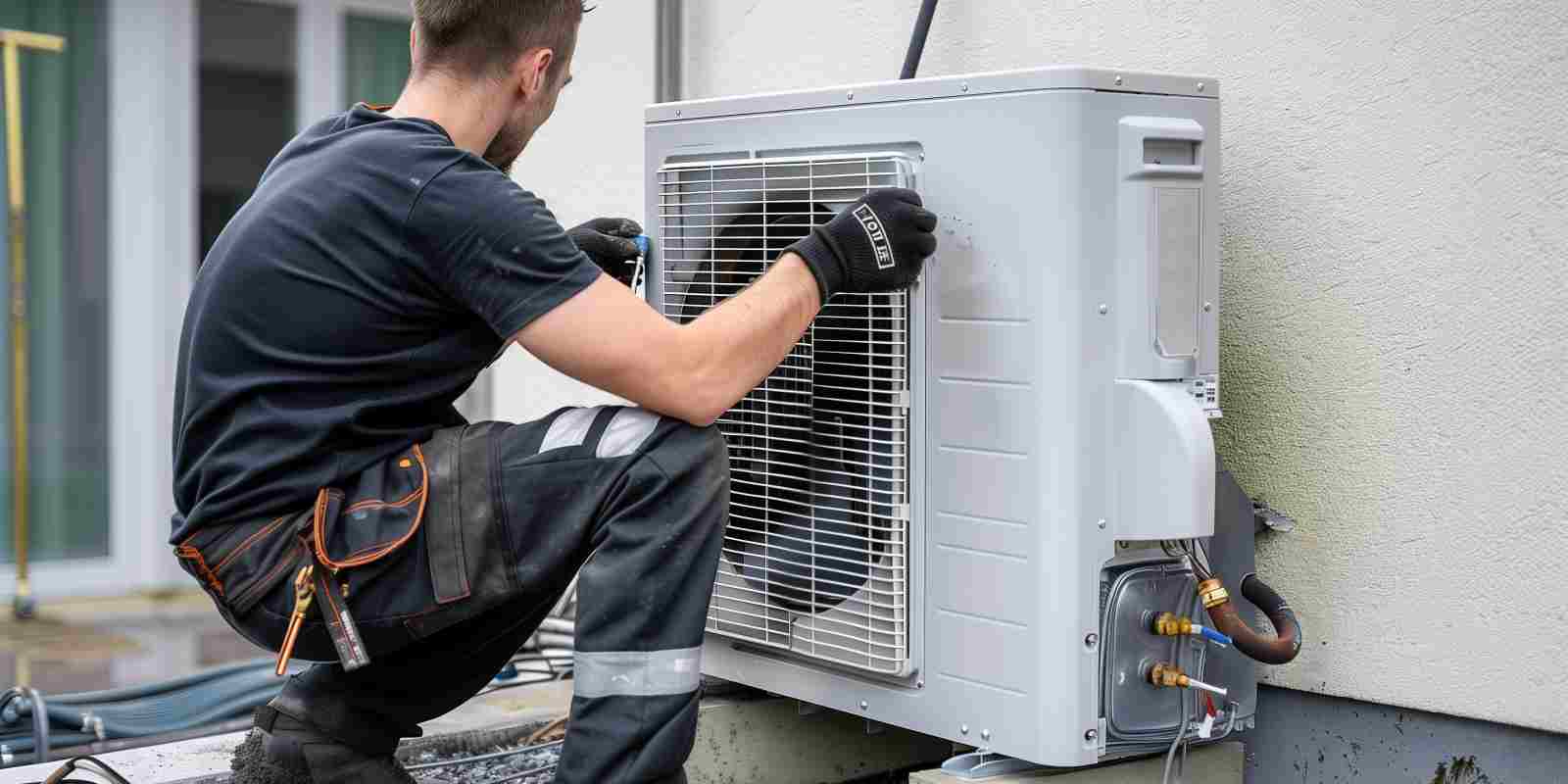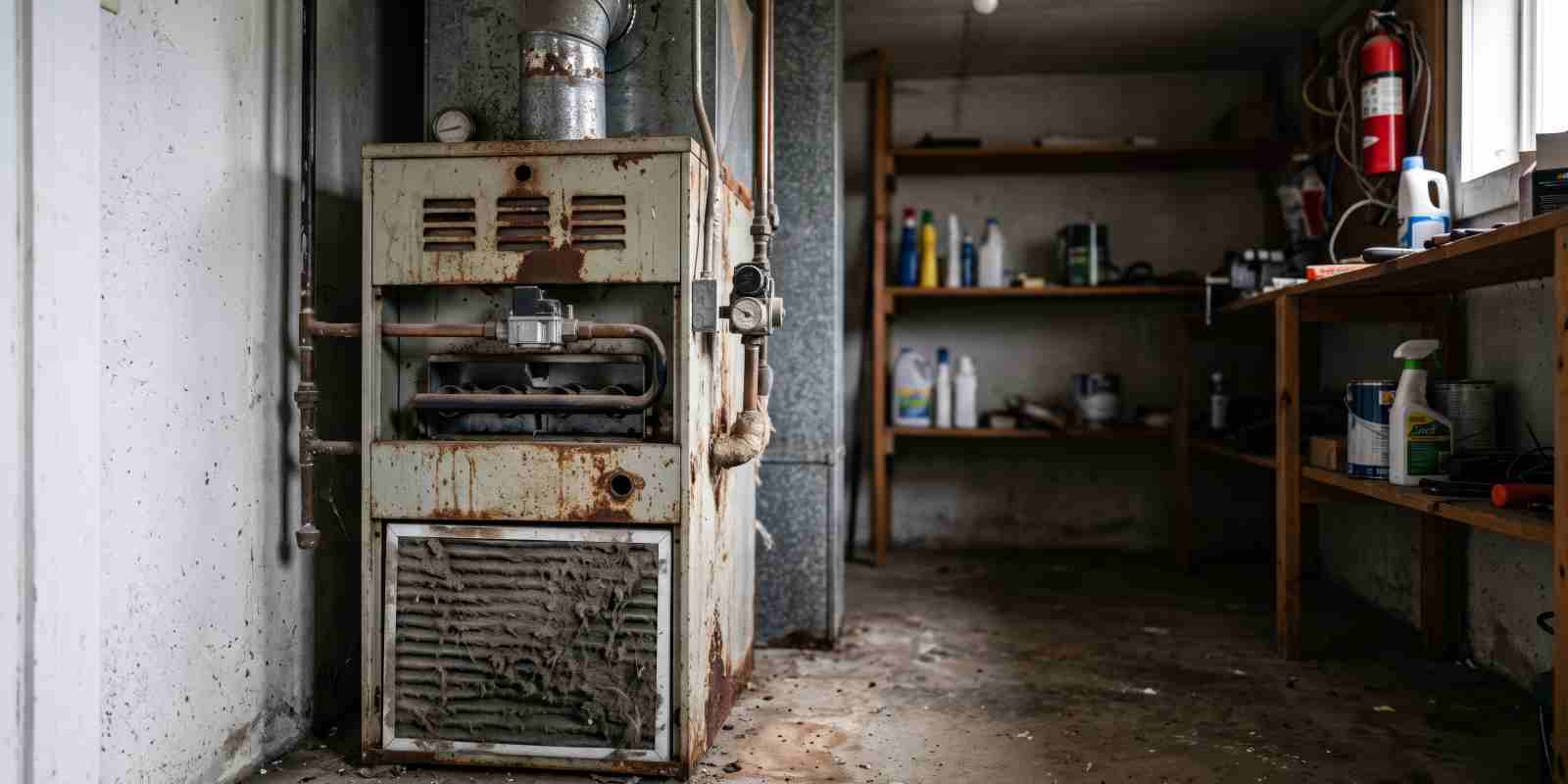

Choosing the right system for heat pump installation in Pleasantville, NY, starts with the simple truth that older homes don’t play by square-footage rules. Drafty rooms, older windows, uneven insulation, and past additions can all affect how a house gains and loses heat.
A properly sized heat pump helps maintain comfort, control energy use, and prevent the costly problems that happen when equipment is guessed rather than calculated.
| In This Article: A smarter sizing process can help owners of older homes avoid hot and cold spots, high utility bills, and equipment strain. Before calling an HVAC contractor, knowing what affects heat pump size can make the conversation far easier. |
Why Heat Pump Sizing Counts So Much in an Older Home
Older homes across Pleasantville and Westchester County often have charm, craftsmanship, and layouts that newer builds can’t match. However, the charm of an older home is often accompanied by unseen performance issues around windows, beneath floors, and inside exterior walls.
An oversized unit may short-cycle, meaning it turns on, meets the thermostat’s demand too quickly, then shuts off before the home feels evenly comfortable. An undersized unit has the opposite problem. The system runs constantly, struggles during cold snaps, and may never fully catch up.
Older homes leave less room for guesswork because their building envelopes are rarely consistent. Original windows, attic gaps, basement air leaks, limited wall insulation, and additions built in different decades can all skew the actual heating and cooling load.
Proper heat pump sizing for older homes takes those details into account long before any equipment is selected.
Why “Bigger Is Better” Is the Most Common Mistake
Many homeowners assume a larger heat pump will heat and cool faster, so comfort must improve. The opposite often happens.
An oversized heat pump can blast conditioned air into the home, shut down quickly, then restart a short time later. Those frequent restarts waste energy, add wear to major components, and cause uneven temperatures.
During the summer, short cycling can also reduce humidity control because the system doesn’t run long enough to pull enough moisture from the air.
The U.S. Department of Energy notes that oversized or poorly placed mini-split equipment can lead to short cycling, wasted energy, and poor temperature or humidity control. For homeowners considering an outdoor heat pump in Westchester County, NY, that’s exactly the type of problem proper sizing is meant to prevent.
The Factors That Actually Determine the Right Size
A heat pump should be sized around the home’s real load, meaning the amount of heating and cooling needed to keep indoor spaces comfortable. Older homes often need a closer evaluation because several details can affect system performance.
Square Footage Is Only the Starting Point
Square footage gives a rough baseline, often measured in BTUs or tons. Still, it can’t fully answer the question many homeowners ask: “What size heat pump do I need?”
A 2,000-square-foot home with upgraded insulation may need a smaller system than a 1,600-square-foot home with drafty walls, old windows, and an unfinished attic. Floor area tells part of the story. The home’s condition tells the rest.
Insulation, Windows, and Air Sealing
Heat pump sizing for older homes depends heavily on how well the house holds conditioned air. Thin attic insulation, gaps around window frames, leaky doors, and unsealed basements can increase heating and cooling loads.
Original single-pane windows can also create comfort problems near exterior walls. Air leaks make the system work harder because warm air escapes in winter and humid outdoor air enters during summer. A contractor should measure or evaluate these conditions.
Ceiling Height, Layout, and Additions
Higher ceilings in a home can increase the available air volume for the HVAC system to heat, cool, and circulate. Areas such as closed-off rooms, long hallways, open staircases, and finished attic spaces can all affect how heat moves through the home.
Additions deserve special attention, since a rear family room, converted porch, or finished bonus space may have been built to a different standard than the original house. Finding the right size heat pump for an older home often depends on treating those spaces as separate comfort zones.
Climate and Sun Exposure
Westchester County has cold winters, humid summers, and seasonal swings that affect heat pump performance. A good sizing process should account for local winter design conditions, cooling demand, shade, and sun exposure.
South-facing rooms with large windows may gain a lot of heat in summer, while north-facing rooms, shaded rooms, and spaces over garages may need extra heating support. Orientation, tree cover, roof exposure, and window placement all belong in an honest sizing conversation.
Why a Manual J Load Calculation Is the Right Answer
A proper HVAC recommendation starts with a Manual J load calculation, which helps match equipment size to the home. Manual J is identified by ACCA as the ANSI-recognized standard used to calculate heating and cooling loads in homes.
A Manual J calculation reviews the variables that affect comfort, including square footage, insulation, windows, air leakage, orientation, ceiling height, layout, local climate, and room-by-room needs. Older homes benefit greatly from this process because rules of thumb often miss hidden inefficiencies and uneven performance throughout the house.
Before recommending equipment, a qualified HVAC contractor in Pleasantville should complete a proper load calculation for the home. The contractor should also explain how the system will handle summer cooling and winter heating, including performance during colder Westchester weather.
Comparison: Undersized vs. Right-Sized vs. Oversized Heat Pump
| Factor | Undersized Unit | Right-Sized Unit | Oversized Unit |
|---|---|---|---|
| Comfort | Never reaches the set temperature | Steady, even temperatures | Hot and cold swings |
| Energy Bills | High, runs constantly | Lowest, efficient cycles | High, frequent restarts |
| Humidity Control | Poor in summer | Properly managed | Poor from short cycling |
| Equipment Lifespan | Strained, wears early | Maximized | Shortened by short cycling |
| Upfront Cost | Lower but inadequate | Right-sized investment | Higher than needed |
Schedule a Heat Pump Sizing Assessment in Pleasantville
The right heat pump size is determined through careful assessment, not by guessing from the curb. Older homes often have hidden inefficiencies that can affect comfort and operating costs for years if the equipment is improperly sized.
A. Borrelli Mechanical in Pleasantville has helped Westchester County homeowners make informed HVAC decisions since 1981. Local homeowners continue to trust the company for honest recommendations, family-owned service, and experienced guidance backed by decades of residential HVAC work.
Ready to make smarter decisions about heat pump installation in Pleasantville, NY? Contact A. Borrelli Mechanical today to schedule a home assessment and Manual J load calculation and get a clearer picture of how properly-sized equipment can best serve your home’s specific needs.