Updated on October 29th, 2026
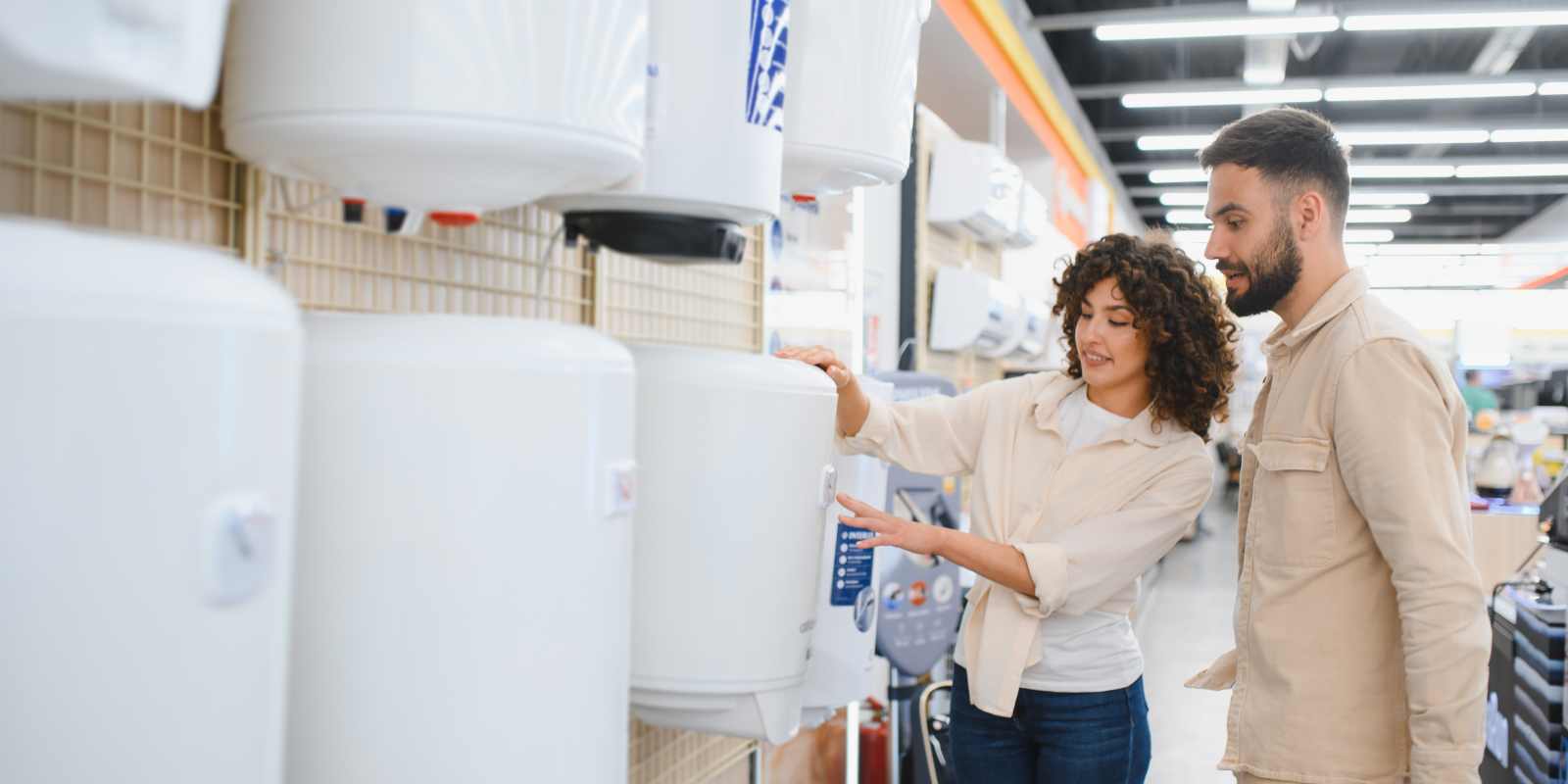
Most homes need a 40 to 50 gallon tank. One or two people can usually get by with 30 to 40 gallons, and a household of five or more should look at a 75 gallon tank or a tankless unit. But tank size alone does not decide whether you run out of hot water.
The better test is the First Hour Rating for a tank, or the flow rate in gallons per minute (GPM) for a tankless heater. Below we walk through both, plus how fuel type, space, and an existing boiler change the answer.
Water Heater Size Chart by Household
Start here, then check the result against your busiest hour of hot water use.
| Household size | Suggested tank size |
|---|---|
| 1 to 2 people | 30 to 40 gallons |
| 2 to 4 people | 40 to 50 gallons |
| 4 to 5 people | 50 to 55 gallons |
| 5 or more people | 75 gallons, or tankless |
These ranges come from Rheem’s water heater sizing guidance. A family of four with teenagers who shower back to back will sit at the top of its range. A couple who run the dishwasher overnight can sit at the bottom.
An oversized tank keeps more water hot around the clock, which costs you money while it sits there. An undersized one leaves the last person in the morning with a cold shower.
How to Size a Tank With the First Hour Rating
The First Hour Rating (FHR) is the number of gallons of hot water a tank can deliver in one hour, starting full. It depends on tank size and on how fast the burner or element reheats water. You will find it on the yellow EnergyGuide label as “Capacity (first hour rating)” or in the product literature.
The goal is simple. Pick a model whose FHR at least matches your peak hour demand.
- Pick your busiest hour, usually weekday mornings.
- Count every hot water use in that hour.
- Add up the gallons using the averages below.
| Use | Average gallons per use |
|---|---|
| Shower | 20 |
| Hand dishwashing or food prep | 3 |
| Automatic dishwasher | 7 |
| Shaving | 2 |
| Clothes washer (top loader) | 25 |
| Clothes washer (front loader) | 15 |
Say three people shower, one person shaves, and someone rinses the breakfast dishes. That is 60 plus 2 plus 3, or 66 gallons. You would want a heater with an FHR of 66 gallons or more. Throw a top loading wash into that same hour and you jump to 91 gallons.
This is why two 50 gallon tanks can perform very differently. A gas tank with a strong burner often posts a higher FHR than an electric tank of the same size.
How to Size a Tankless Water Heater (GPM and Temperature Rise)
A tankless heater has no stored supply, so it is sized by how many fixtures run at once and how much it has to warm the water. Two numbers matter.
- Flow rate. Add the GPM of every fixture you expect to run at the same time. A standard showerhead is rated at 2.5 GPM, and a typical faucet runs about 0.75 GPM.
- Temperature rise. Subtract your incoming water temperature from your target, which is usually 120°F.
Every tankless model publishes a chart showing its maximum GPM at different temperature rises. The bigger the rise, the lower the flow it can deliver.
Why Winter Water Changes the Math

National guides often assume incoming water at 50°F. In Westchester and the rest of the Northeast, the water entering your house in January is colder than that. Rheem tells installers to plan for about 40°F across the northern tier of states.
That turns a 70°F rise into an 80°F rise, and the heater loses capacity right when you need it most.
A Peak Demand Example
Picture a winter morning with two showers running and someone at the kitchen faucet.
- Two showers at 2.5 GPM each gives 5 GPM.
- One kitchen faucet at 0.75 GPM brings the total to 5.75 GPM.
- 120°F target minus 40°F incoming water means an 80°F rise.
You need a unit that delivers about 5.75 GPM at an 80°F rise. For comparison, a typical gas tankless unit manages around 5 GPM at a 70°F rise, and an electric unit closer to 2 GPM. So this household needs a large gas model, two units linked together, or a tank. Our tankless water heater guide covers the tradeoffs in more detail.
Gas, Electric, or Heat Pump
Choosing between the three common options can be a bigger decision than most would think. Consider the pros and cons, and call a professional for help.
Gas
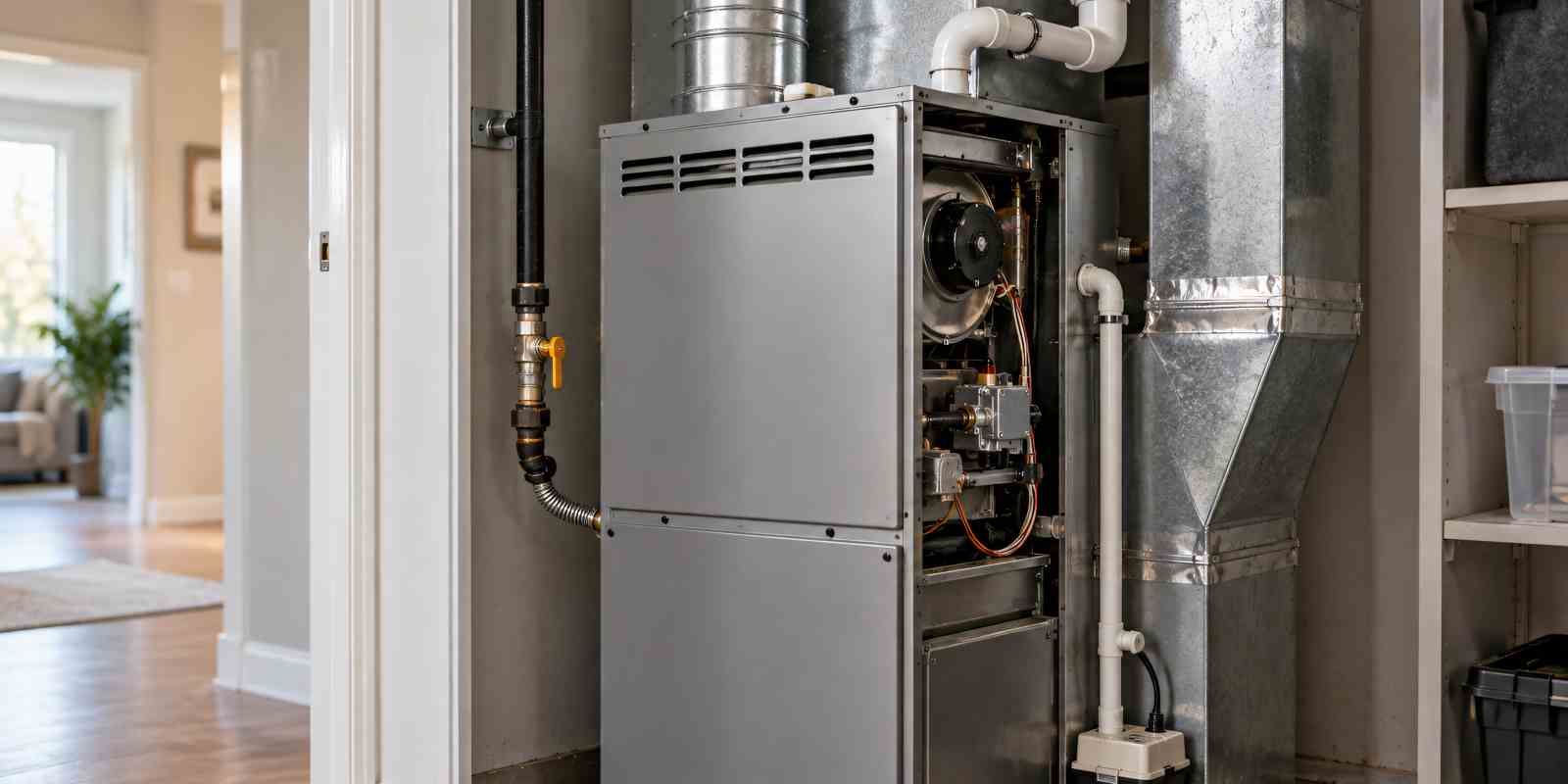
Gas tanks reheat water quickly, so they tend to post a higher FHR for their size. They need a gas line and a vent to the outdoors, which matters when you are switching fuels or moving the heater. If your home does not have gas service yet, check with your utility early, because new gas hookups in parts of Westchester have been limited in recent years.
Electric
Standard electric tanks are simpler to install because there is no burner or flue. They reheat more slowly, so you may need a larger tank to get the same FHR as a gas model.
Heat Pump
A heat pump water heater pulls heat from the surrounding air and moves it into the tank. That makes it two to three times more efficient than a standard electric tank.
Space is the catch. ENERGY STAR says these units belong in a space that stays between 40°F and 90°F year round with about 1,000 cubic feet of air around the heater. That is roughly a 10 by 12 foot room with an 8 foot ceiling. They also cool the room they sit in, so a basement near the furnace is usually a better spot than a closet. In very cold months, a unit may lean on its backup electric element, which raises energy use. See the ENERGY STAR heat pump water heater page for placement details.
Other Factors to Weigh Before You Buy
Size is only one decision. Before you pick a model, check these four things.
- Fuel. Use the fuel you already have unless there is a good reason to switch. Converting means a new gas line, a new circuit, or new venting.
- Efficiency. Compare the Uniform Energy Factor (UEF) on the label. A higher UEF means lower running costs. ENERGY STAR’s water heater criteria list the minimum UEF each type must meet to earn the label.
- Space. A tankless unit hangs on a wall. A heat pump tank needs the room described above. A larger tank may not fit through an old basement door.
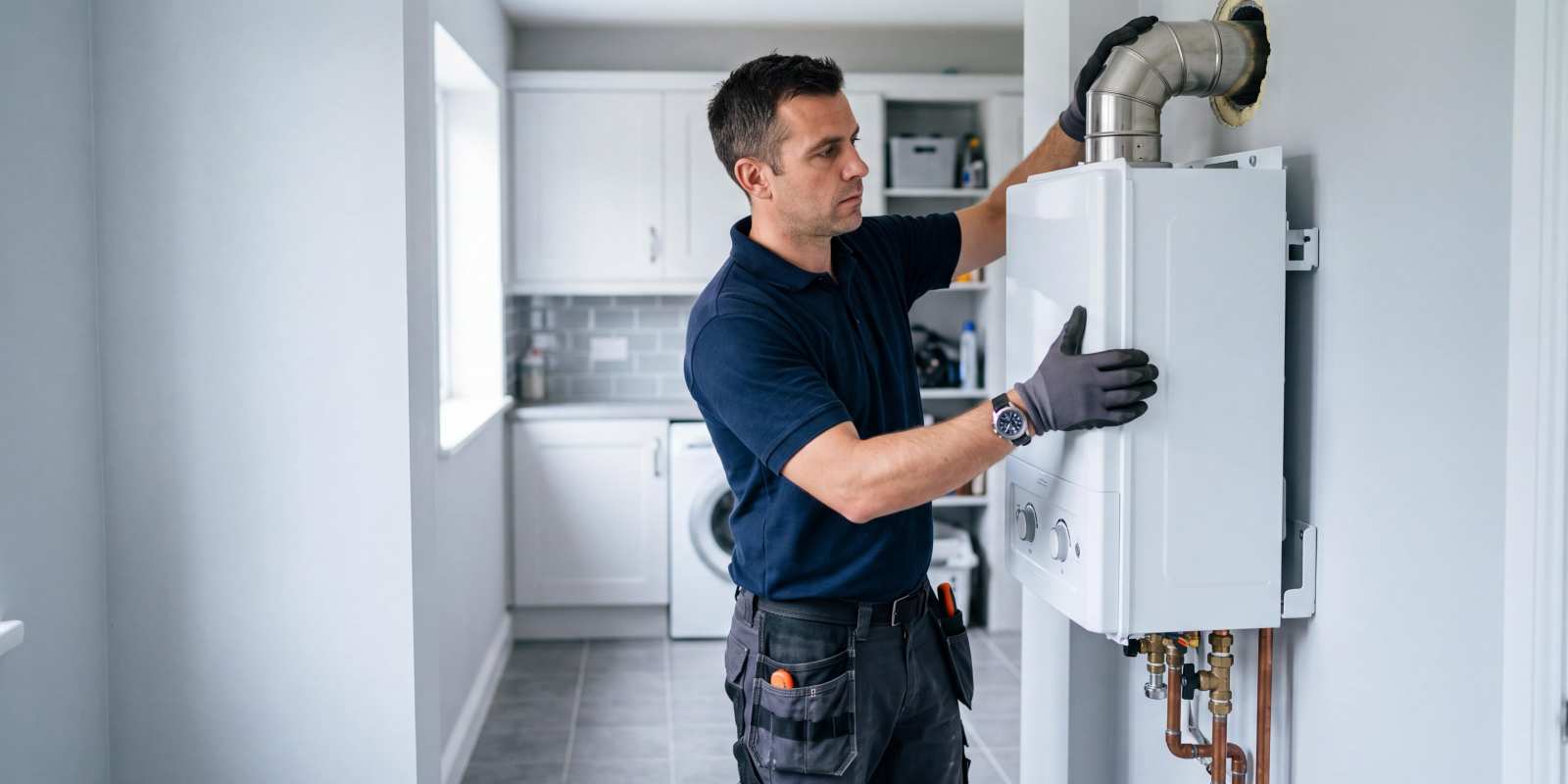
- Venting. Gas heaters need proper venting to the outdoors, and the vent type depends on the model. This is work for a licensed installer, not a weekend project.
If you are replacing an older unit, our water heater installation and repair team can size the new one around how your family actually uses hot water.
Have a Boiler? Consider an Indirect Water Heater
Many older Westchester homes heat with a gas or oil boiler. If that describes yours, there is a sizing option most online guides skip.
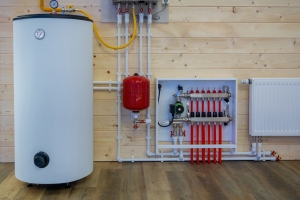
An indirect water heater is an insulated storage tank with a coil inside. Hot water from your boiler circulates through the coil and heats the domestic water in the tank. There is no separate burner on the tank itself.
Paired with a high efficiency boiler and a well insulated tank, this can be one of the least expensive ways to make hot water. Because the boiler is usually sized for heating the whole house, it can often reheat the tank quickly. A smaller indirect tank may keep up with a household that would need a larger stand alone heater.
Sizing an indirect tank depends on your boiler’s output, so it calls for a contractor to look at both together. If your boiler is aging, it may make sense to plan the boiler and tank as one project. Our boiler installation and repair page explains what that work involves.
Get the Size Right the First Time
Sizing a water heater for a Hudson Valley home means thinking about cold winter water, the fuel you have, the space you have, and how your family really uses hot water. If you want a second set of eyes before you buy, contact A. Borrelli Mechanical or call (914) 809-9070, and we will help you match the heater to your home.
Frequently Asked Questions
Often yes, but it depends on your busiest hour. A 40 to 50 gallon tank suits most families of two to four. If your mornings include three or four showers plus laundry, add up your peak hour demand and choose a model whose First Hour Rating meets it, which may mean a 50 gallon tank.
Two standard showers draw about 5 GPM combined. In the Northeast you should plan for winter inlet water near 40°F, which means an 80°F rise to reach 120°F. Look for a model whose published chart shows at least 5 GPM at that rise, and add more if a faucet runs too.
Check the nameplate on the side of the tank or the yellow EnergyGuide label. The nameplate lists the tank capacity in gallons, and the EnergyGuide label shows the First Hour Rating. Your current heater is a good starting point if it has kept up with your household without problems.
Usually yes, if the extra size goes unused. A larger tank keeps more water hot around the clock, and it loses some heat through the tank walls even when no one uses it. Sizing to your peak hour demand gives you enough hot water without paying to heat a supply you never draw.