
If you opened your winter utility bill and were blindsided, you are not alone. Many homeowners searching for ways to lower heating bills in New York homes discover that rising costs often trace back to aging equipment, heat loss, and the long heating season typical in Westchester County. When temperatures stay low for months, even small inefficiencies in a home’s heating system can steadily drive energy use higher.
Outdated furnaces or boilers, poorly sealed ductwork, and inadequate insulation are some of the most common contributors to excessive heating costs. In many cases, the system itself may be working harder than necessary just to maintain comfortable indoor temperatures.
Understanding where that extra energy use comes from is the first step toward reducing it. With the right adjustments, whether through maintenance, system improvements, or targeted upgrades, homeowners can often regain control of their heating costs while keeping their homes consistently warm.
| In This Article: We examine the most common reasons heating bills rise in Westchester homes, how inefficiencies develop over time, and practical steps homeowners can take to improve system performance and control winter energy costs. |
The Financial Impact of Aging Heating Systems in New York
Rising winter bills often trace back to one underlying factor: an aging heating system working harder than it should.
How System Age Drives Higher Energy Consumption
Heating systems rarely fail overnight; instead, they gradually lose efficiency. A 15- to 20-year-old furnace or boiler may still produce heat, yet it typically runs longer cycles to maintain the same comfort level.
The term AFUE, meaning Annual Fuel Utilization Efficiency, represents the ratio of fuel input that is converted into usable heat rather than being wasted.
Older systems often operate at far lower AFUE ratings than modern equipment, because as burners drift out of tune, heat exchangers collect soot, and motors weaken, real-world efficiency drops. Longer run times mean higher fuel usage and steadily rising monthly bills.
In homes we service throughout Westchester County, we often see older systems that “work fine” but quietly consume far more fuel than necessary.
Why Westchester Winters Put Extra Stress on Older Equipment
Westchester’s heating season typically runs from October through March. Those extended run hours magnify even minor inefficiencies. During cold snaps, older boilers and furnaces operate near their limits for days at a time.
Problems that were tolerable during mild weather, such as drafts or weak airflow, suddenly become expensive. January emergency calls frequently involve systems that have been patched repeatedly instead of properly evaluated for long-term performance.
5 Common Culprits Behind Spiking Energy Costs
A high heating bill is rarely caused by one dramatic failure. Instead, it’s usually a stack of smaller issues.
Mechanical Inefficiency and Component Wear
Inside any heating system, components naturally experience performance degradation over time as they age.
- Burners and proper alignment
- Heat exchanger surfaces
- Ignition components
- Draft inducer motors
- Blower motors and capacitors
- Burner assemblies and gas valves or oil nozzles
- Heat exchanger sections
- Circulator pumps
- Zone valves and controls
- Expansion tanks and air elimination components
Even a thin layer of soot inside a furnace or boiler can significantly increase the unit’s fuel consumption. When combustion is not tuned correctly or when heat transfer surfaces are dirty, the system burns more fuel to produce the same amount of heat.
There is a tipping point: if your system is older than 15 years, needs frequent repairs, and your bills continue climbing, monthly waste can rival the cost of financing a replacement.
At that stage, boiler replacement services in Westchester or a high-efficiency furnace replacement in the Hudson Valley may offer stronger long-term value.
Outdated Technology and Low AFUE Ratings
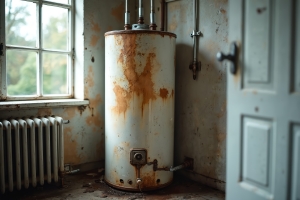
Many older furnaces operate at AFUE ratings between 56 and 70%, while modern condensing systems can reach 90% or higher. That difference means a large portion of fuel in older units escapes through the flue instead of heating your home.
An energy-efficient heater installation in Westchester, NY, today uses an advanced heat-exchange design to help cut down on waste. Since Westchester winters demand long run times, improved efficiency quickly translates into noticeable savings.
Homeowners evaluating the cost of an oil-to-gas heating conversion in NY often discover that combining a fuel switch with a high-efficiency upgrade amplifies savings over time.
Neglected Maintenance and Clogged Filtration
Restricted airflow forces heating systems to work harder. Dirty filters slow air movement, causing longer cycles and uneven temperatures. Burners coated in soot struggle to transfer heat efficiently.
Some common warning signs include:
- Rooms that take longer to warm up
- Hot and cold spots
- Systems that run constantly
- Weak airflow at vents
Routine inspections and timely filter replacements during peak usage months help manage these often-overlooked costs.
Poor Insulation and Building Envelope Leaks
Your heater generates warmth, but your home must hold onto it. Heat loss through attics, rim joists, crawlspaces, and older windows can undermine even efficient equipment. Air leakage may account for a significant share of wasted energy each year.
Many Westchester homes built decades ago have attic bypasses, basement penetrations, and duct leaks that go unnoticed.
A professional home energy assessment often reveals opportunities that may qualify for Westchester County heating system rebates in 2026, as well as other NYSERDA incentives.
Sealing and insulating upgrades can also support proper equipment sizing during the replacement process.
Inaccurate or Non-Programmable Thermostats
Phantom heating is common in older homes, where the house stays at full comfort temperature while everyone is asleep or away. Thermostats located near drafty windows or doors misread conditions and trigger unnecessary heating cycles.
Setting back temperatures for part of the day can lower annual heating costs, and smart thermostats typically reduce energy use further by adapting to occupancy patterns. Zoned control is especially helpful in multi-level homes where one floor overheats while another remains cool.
When to Choose Replacement Over Constant Repair
Repairs restore operation, yet they don’t reset the clock on aging equipment. When equipment failures start happening on a regular basis while heating expenses steadily increase, replacing the unit can be a more practical long-term decision.
Calculating the Return on Investment of Modern Equipment
Federal incentives through the Energy Efficient Home Improvement Credit can offset a portion of upgrade costs. Eligible homeowners may qualify for credits worth up to several thousand dollars, depending on the improvements installed.
Notable fuel savings begin immediately after any professional installation since higher AFUE equipment burns less fuel per hour.
Properly sealed ductwork can significantly improve overall HVAC efficiency. Over time, lower operating costs and fewer repair visits strengthen the return on investment.
Enhanced Comfort and Reliability for New York Winters
New variable-speed technology delivers more consistent heat distribution and fewer temperature swings. Stronger, more consistent air circulation can enhance overall indoor air quality while limiting the amount of dust that settles on surfaces.
Planning a replacement before a breakdown reduces the risk of mid-winter emergencies. Many homeowners who upgrade proactively report greater peace of mind during extreme cold.
Professional HVAC Solutions for Westchester County
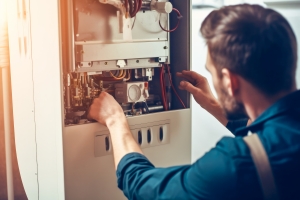
Oversized boilers or furnaces satisfy demand too quickly, then shut down repeatedly, wasting energy and stressing components. Proper sizing is based on a detailed heat-loss calculation that reflects insulation levels and air-sealing improvements, not simply the size of the old unit.
At A. Borrelli Mechanical, we evaluate equipment condition, combustion performance, airflow or hydronic flow, and building envelope factors before recommending solutions. As one of the best HVAC contractors in Westchester County, we focus on practical recommendations that directly align with your home and budget.
Stop Overpaying for Your Home Comfort
A high heating bill is often a symptom of an outdated system, hidden heat loss, or declining efficiency. Addressing these issues can lead to lower heating bills in New York homes and improved winter comfort.
If you’re currently questioning whether repair is still worthwhile or considering an upgrade, our team is ready to help. As one of the last local, family-owned HVAC & plumbing businesses in Westchester, we focus on providing personalized service.
Contact A. Borrelli Mechanical to schedule a heating system evaluation or request an estimate for energy-efficient heater installation that Westchester, NY, homeowners trust. Your family’s comfort is our commitment, and the good guys are on the way.