Boiler problems can range from simple fixes to major repairs, and knowing how to respond ensures your home stays comfortable without surprise expenses. The challenge is learning which symptoms signal danger and which ones point to more manageable system behavior.
Having clear awareness of the differences helps maintain your home’s reliability, reduces surprise breakdowns, and lowers the chance of severe, high-cost damage. The challenge is learning which symptoms signal danger and which ones point to more manageable system behavior.
Understanding What a Boiler Needs To Run Safely
Every boiler operates on a carefully maintained balance between pressure regulation, ignition timing, water circulation, and precise temperature control.
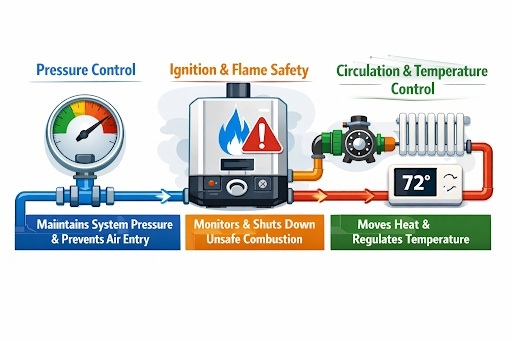
Pressure keeps water moving smoothly through the system and helps prevent any air from entering. Ignition and flame monitoring controls manage combustion and shut the boiler down if firing becomes unsafe. Circulation moves heated water to radiators or baseboards, while temperature controls regulate comfort and prevent overheating.
Safety mechanisms are built into modern boilers; however, these systems are designed to react to problems, not mask them. Ignoring repeated warnings can lead to internal wear, water damage, or unsafe operating conditions.
Gas-related concerns deserve special caution because combustion issues can affect both safety and indoor air quality.
When You Should Call For Boiler Repair Immediately
Some symptoms move beyond normal boiler troubleshooting and deserve prompt professional attention.
No Heat Or Frequent Shutdowns
A boiler that loses heat or shuts itself down repeatedly may be reacting to ignition problems, sensor faults, or heat exchanger issues.
Frequent shutdowns often occur when safety controls detect unsafe firing or overheating. Resetting the system repeatedly usually delays the real fix and can worsen internal stress.
Water Leaks Around The Boiler
Any water found around the boiler should be treated seriously, as leaks can cause pressure loss, introduce air, and speed up corrosion inside the system.
Water may come from pipe fittings, internal seals, or the pressure relief valve; each scenario indicates a condition that warrants repair rather than observation.
Unusual Noises (Banging, Whistling, Grinding)
Noises often tell a clear story of what’s going on. For instance, banging may suggest water hammer or overheating in the heat exchanger.
Whistling or kettling sounds can occur when scale restricts flow and water begins to boil at the surface. Grinding noises usually involve mechanical wear inside a circulator pump. New or escalating sounds should move you toward emergency boiler repair signs rather than waiting.
Low Or High Boiler Pressure That Doesn’t Stabilize
Pressure that drifts too low or rises too high often reflects expansion tank trouble or pressure-reducing valve issues. High pressure can trigger relief valve discharge and water damage.
Low pressure can invite air into the system and interrupt circulation. Persistent pressure problems fall firmly into the boiler repair vs. wait category, where repair is the safer choice.
Smell Of Gas Or Burning Odor
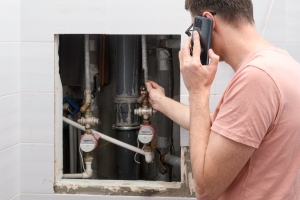
Gas odors or signs of burning indicate signs of potential danger that should never be ignored or delayed.
Exit the area at once, move to a safe distance, and contact emergency services or your gas supplier without delay. Combustion and venting problems can escalate quickly and should never be monitored casually.
Boiler Problems You Can Monitor Briefly Before Scheduling Service
A limited number of boiler issues permit careful observation when performance remains stable and symptoms do not escalate.
Slightly Uneven Heating In Rooms
Uneven warmth often comes from trapped air or minor balancing issues. If heat distribution remains consistent and improves after bleeding radiators, monitoring for a day or two may be reasonable.
Slow-to-Heat Radiators
Radiators that take longer to warm often indicate air pockets or circulation inefficiencies rather than an immediate failure. If comfort levels remain acceptable, scheduling service rather than rushing into emergency repair can make sense.
Mild Intermittent Noises
Occasional ticking or gentle flow noises during startup can be caused by pipes expanding or valves operating.
When these sounds remain quiet and infrequent, they fit the watch-and-schedule category. Noise that grows louder or accompanies pressure swings warrants prompt attention.
Gradual Increase In Energy Bills
A slow rise in heating costs often signals efficiency drift rather than a sudden breakdown occurring. Potential problems such as scale buildup, control issues, or combustion tuning changes commonly show up first on utility bills.
How To Decide: Repair Now Or Wait?
Deciding between immediate service and short-term monitoring often comes down to how the system is behaving over time.
Issues that worsen quickly, such as pressure drifting farther from normal, shutdowns occurring more often, or noises growing louder, tend to signal a problem moving toward failure rather than stabilizing on its own.
The boiler’s age and service history matter just as much; systems that have missed regular maintenance or are nearing the end of their service life are less forgiving when small symptoms appear.
Any situation involving water leaks, abnormal pressure, gas odors, or safety-related shutdowns should move straight into the repair-now category, since these conditions pose risks to both the system and the home if left unattended.
Preventing Minor Issues From Becoming Emergencies
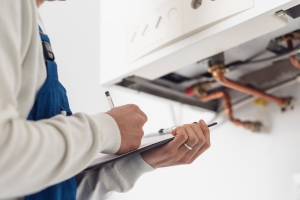
A yearly service visit identifies early-stage problems before they can compromise heating performance or indoor comfort.
Routine service verifies stable pressure, dependable ignition, proper circulation, and clean, efficient combustion. Many homeowners rely on A. Borrelli Mechanical’s maintenance services to keep these systems running smoothly through the heating season.
Some basic homeowner practices can help play a meaningful role in supporting professional care and long-term performance:
- Occasionally bleed radiators to release trapped air when rooms heat unevenly
- Keep an eye on pressure trends rather than isolated readings
- Replace HVAC air filters seasonally and keep mechanical rooms clear for airflow and access
Get Reliable Local Boiler Repair When You Need It Most
Knowing when to call for boiler repair gives homeowners confidence during stressful heating issues. Some problems allow short observation, while others require immediate professional care to protect comfort and safety.
At A. Borrelli Mechanical, we’ve helped Westchester County families and businesses stay comfortable since 1981 with trusted heating, cooling, and plumbing solutions. Relying on our decades of experience across the region, we handle everything from emergency repairs to efficient system upgrades.
For clear answers, accurate diagnosis, and dependable service, schedule a boiler repair or consultation online or by phone with A. Borrelli Mechanical and get your system back on steady ground.