Most commercial boiler repairs begin with a series of subtle warning signs rather than a sudden system failure. In most Westchester buildings, the system first displays warning signs before things go south.
If you manage an apartment complex, office, or mixed-use property, knowing what to look for can help you schedule service before you have to deal with no heat or hot water in January.
Across the country, nearly two-thirds of commercial-size hot-water boilers are over 20 years old, and in a region where heating demand stretches from October through March, that age matters.
Any small efficiency losses or pressure issues can quickly turn into mid-winter emergencies, especially when the system has been running steadily for months.
| In This Article: You’ll learn the early warning signs that signal a need for commercial boiler repair, how Westchester’s long heating season affects maintenance timing, and what steps you can take to prevent costly midwinter failures. |
Early Warning Signs That Point to Commercial Boiler Repair
Facility managers regularly say the trouble didn’t seem obvious at first because the system looked fine until it abruptly stopped operating as it should. In reality, there were usually clues that were overlooked.
Uneven Heat or Fluctuating Hot Water
Cold offices on one side of the building and overheated apartments on the other often signal issues with distribution or boiler control. Factors such as fluctuating supply temperatures, rising makeup water use, or unusual pressure swings can all indicate that something inside the system needs attention.
Our extensive experience with Westchester commercial heating services shows that inconsistent heat is one of the earliest and most overlooked signs of trouble.
Frequent Shutdowns or Short Cycling
If your boiler keeps shutting off and restarting, that’s short cycling. It’s common during shoulder seasons, when loads are lighter, or in oversized systems that run only for domestic hot water.
Short cycling reduces efficiency and increases wear. Every pre-purge and post-purge cycle removes heat from the system, and that wasted energy shows up on your gas bill.
Rising Gas Bills Without Higher Demand
Rising fuel expenses are often the first clue that alerts owners and facility managers to a developing boiler problem.
In a firetube boiler, even a very thin layer of scale can act as insulation and interfere with efficient heat transfer. In fact, just 1/32 inch of scale can raise fuel consumption by several percentage points, and certain mineral deposits push that loss even higher.
If usage patterns haven’t changed but costs are climbing, it’s time to look closely at combustion settings, flue gas temperatures, and water quality.
Soot, Dirty Burners, or Changes in Flame Quality
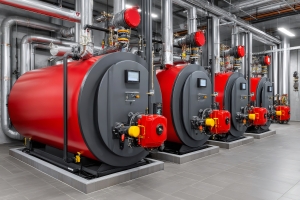
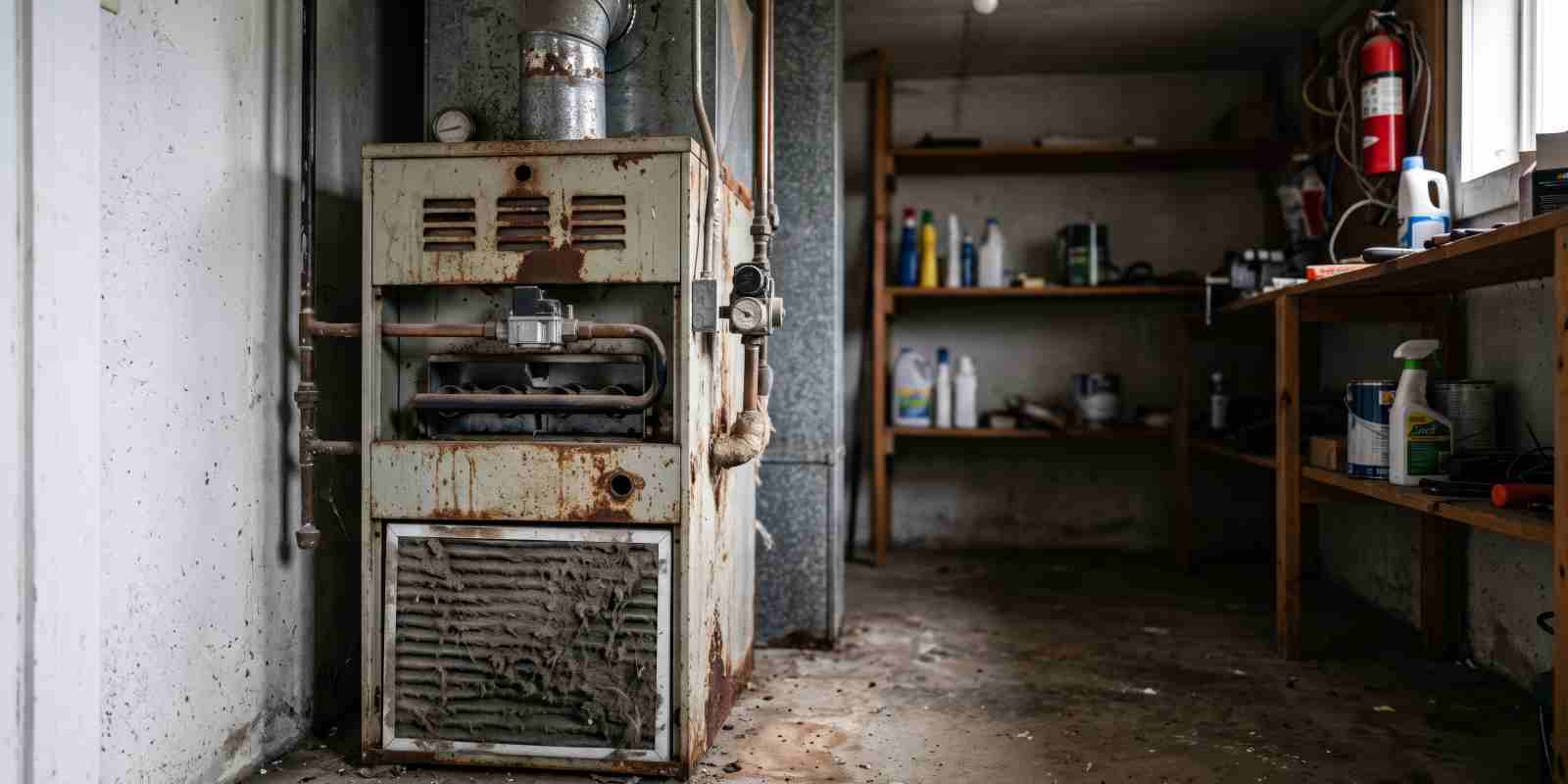
Soot accumulation around the burner or inside the jacket is a potential emergency service call just waiting to happen.
Even small amounts of fouling reduce combustion efficiency. Burners should be inspected and cleaned annually, and in dusty mechanical rooms, they may need attention every few months.
We’ve opened units that seemingly “ran fine” but were completely coated in soot. Cleaning and tuning them restored performance and immediately reduced stack temperatures.
Leaks, Pressure Irregularities, or a Weeping Relief Valve
A relief valve that keeps dripping is telling you something. It could be an expansion tank issue, system overpressure, or even a control fault.
Water leaks around pumps, fittings, or heat exchangers should never be ignored, which is precisely where commercial hydronic heating repair becomes urgent. Small leaks often lead to corrosion, scale formation, and larger failures down the line.
Venting or Combustion Air Problems
Blocked intakes, deteriorated vent piping, or signs of flue gas escaping require immediate attention. Poor ventilation can allow combustion by-products to build up, including carbon monoxide, a gas that is invisible and odorless.
During winter, snow accumulation around terminations is another local concern. Air inlets must remain above grade and clear of obstruction.
Why Westchester’s Heating Season Raises the Stakes
New York’s heating season typically runs from October through March. Westchester buildings accumulate thousands of heating degree days over multi-year periods, which means your boiler isn’t lightly used equipment.
Long operating seasons amplify small issues. A minor combustion imbalance in October may turn into a shutdown in February, while a marginal expansion tank in November can cause pressure spikes in January.
For property managers looking to reduce risk and control costs, pre-season inspections are among the wisest investments available. That’s when burners are cleaned, controls tested, water-side and fire-side surfaces checked, and flue gas analyzed.
A Practical Seasonal Maintenance Calendar
The following seasonal boiler maintenance checklist offers New York property managers a simple reference they can use to stay on track throughout the year:
| Season | What to Focus On |
| Late Summer / Early Fall | Full inspection and cleaning; combustion tuning; burner service; vent and intake checks; water treatment review |
| Winter | Weekly visual checks; monitor pressure and temperature trends; watch for leaks or unusual noises; confirm vent terminations are clear |
| Spring | Post-season inspection; address resets, hot/cold complaints, and fuel anomalies; repair worn components |
| Summer, if used for DHW | Monitor for short cycling; review staging and controls; test water quality as seasonal chemistry shifts |
Buildings that rely on energy-efficient commercial boilers for domestic hot water during the summer often experience short cycles at low loads. Adjusting controls and verifying staging can reduce unnecessary wear.
Steam Systems Require Extra Attention
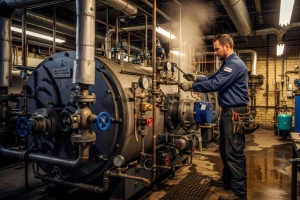
If your property uses steam, steam traps deserve their own program. Malfunctioning traps can waste thousands of dollars annually and create overheated spaces while other areas struggle for heat.
Annual trap testing is a practical minimum, as some buildings benefit from more frequent checks based on their operating history.
Local Expertise Makes a World of Difference
A. Borrelli Mechanical boiler services have proudly supported properties in Westchester County since 1981. Working in this region year after year gives us insight into how local buildings behave through long winters and humid summers.
Commercial boiler repair isn’t about waiting for a breakdown. It’s about recognizing warning signs, scheduling maintenance at the right time of year, and working with technicians who understand Westchester commercial heating services inside and out.
If you’ve noticed any of these signs in your building, it makes sense to book an inspection now rather than wait for a larger problem to develop. Scheduling a proactive service visit today can prevent a disruptive, costly emergency when your tenants and occupants need heat most.