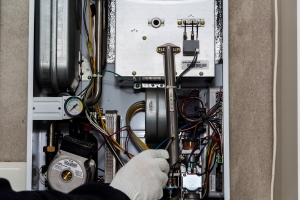
A smooth-running furnace is easy to forget; a struggling one is impossible to ignore. If you’re a homeowner currently experiencing furnace problems, you’re likely seeing uneven heat, weak airflow, short bursts of operation, or sounds that make you question the system’s health.
Common problems with furnaces influence comfort and energy use, and gas systems introduce fuel-related common furnace issues that deserve caution and immediate attention.
What You Will Learn: This guide breaks down the most common furnace problems and issues, with clear and actionable next steps for residents in Westchester County, NY.
Why Furnaces Develop Common Problems
Furnaces combine mechanical movement, electronics, and, for gas- or oil-fired models, combustion chambers that age with every heating season. Repeated cycling places stress on motors, wiring, belts, sensors, and ignition assemblies. Annual professional maintenance is recommended to stop early wear from escalating.
Wear and tear is expected as long hours of operation warm up bearings and stretch belts. However, when airflow isn’t balanced, parts heat up faster, and friction increases. Maintenance gaps can accelerate dust accumulation on burners and heat exchangers, clog filters, corrode terminals, and leave safety switches untested.
Gas and oil furnaces see a distinct set of common gas furnace problems because flame sensors, gas valves, pilots, and flues operate together under tight safety circuits. A clean filter schedule and a regular tune-up keep sensors proven, burners adjusted, gas pressure reviewed, and vent paths inspected for steady seasonal performance.
Most Common Furnace Problems You’ll Encounter
Dirty Or Clogged Air Filter
A clogged filter slows designed airflow through the blower and cabinet, raising internal temperature quickly.
- Symptoms: Uneven room heat, weak supply register airflow, longer run times, high-limit shutdowns, gray or matted filter surfaces, or rising charges compared to last season.
- Causes: Schedule skipped, filter reversed, wrong size letting air and dust bypass the frame, or a dense efficiency filter added without balancing static pressure. Slow airflow leads to overheating and short cycling.
Ignition Or Pilot Light Failure
Gas furnaces depend on reliable ignition to keep burners lit.
- Symptoms: Clicking start attempts, inducer fan running without flame, off-again restarts, or a pilot flame that drops out in older units.
- Causes: Dirty pilot orifice, flame sensor residue, worn igniter cracks, gas valve resistance, board relay aging, or mechanical room drafts interrupting a pilot flame. Repeated failed starts wear igniters and detection circuits faster.
Malfunctioning Thermostat
Thermostat faults mimic deeper furnace trouble because they command the heat call.
- Symptoms: No-start, nonstop runs, short cycles, temperatures at odds with the thermostat dial, or blank screens.
- Causes: Dead batteries, corroded low-voltage terminals, mislabeled wires, setup on the wrong system profile, bad wall location by vents or sunlight, or an aging internal sensor relay.
Worn-Out Blower Motor
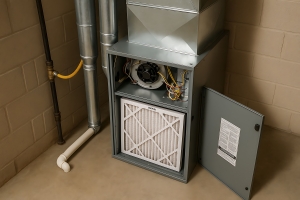
The blower pushes heated air across the exchanger and into ducts.
- Symptoms: Weak airflow even with a fresh filter, humming or squealing in the cabinet, overheating shutdowns, sudden stops mid-cycle, or panel vibration in a furnace closet.
- Causes: Bearing or shaft friction, run capacitor faults, blower wheel imbalance from dust, or belt wear in older belt-drive systems.
Cracked Heat Exchanger
A cracked exchanger is a safety concern because combustion gases may mix with indoor air.
- Symptoms: CO alarms sounding during operation, soot discoloration by cabinet or registers, flames that waver when the blower starts, or occupant headaches, nausea, dizziness that improve away from the home.
- Causes: Years of thermal stress, airflow restriction history, moisture corrosion, vent defects, or metal fatigue as the furnace ages. A confirmed crack leads to replacing the exchanger or furnace, without patches.
Frequently Cycling Or Overheating
Short cycling wastes energy and heats parts rapidly, tripping safety switches.
- Symptoms: Minute-long runs with repeated restarts, temperature swings, drafts, or a cool-down period before restart.
- Causes: Blocked return vents, high static pressure, oversized equipment for the home’s volume, high-limit switch faults, blocked intake/exhaust paths, or condensate drain resistance on high-efficiency models.
Unusual Noises Or Vibrations
New or sharper sounds often point to signs of mechanical wear:
- Symptoms: Loose panel rattles or buzzing, motor grinding, high-pitched squeals, soft booms at start, or metal drumming through ducts.
- Causes: Loose screws or brackets, blower imbalance, bearing friction, or burners igniting with a delay due to dust or weak igniter response.
Common Furnace Repairs & Part Replacements
The most common furnace repairs include replacing the igniter or pilot assembly, cleaning or replacing the flame sensor or thermocouple, swapping the capacitor, servicing the blower motor, and rewiring or replacing the thermostat.
Parts that fail on schedule are common furnace parts that go bad, which include blower belts, bearings, igniters, flame sensors, gas valves, regulators, draft inducer motors, pressure switches, and condensate pumps. Prompt repairs prevent big-ticket failures caused by overheating, imbalance, or detection circuits wearing out faster.
Preventing Furnace Problems Before They Start
Annual pre-season inspections in the are easier to schedule before emergency issues arise. A. Borrelli maintenance plans offer priority scheduling, predictable service planning, seasonal follow-ups, and technicians homeowners know and trust.
Filters are reviewed monthly and swapped at a steady cadence to improve airflow, reduce overheating, and maintain consistent comfort between floors. CO detectors are recommended near sleeping areas and should be reviewed annually for fuel-burning furnaces.
When To Call a Professional HVAC Company
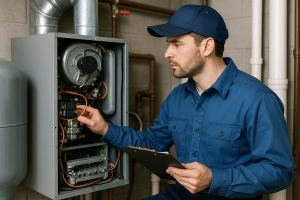
Service involving gas, burners, ignition systems, vent paths, CO testing, control boards, or high-voltage wiring is the responsibility of a licensed HVAC technician, not something you should tackle yourself. Simple DIY fixes like a standard 1-inch filter swap or thermostat battery change are safe when the furnace is powered down first.
Gas furnaces run flame-proving circuits that demand proper instruments to confirm combustion behavior and vent performance. A. Borrelli Mechanical proudly serves Westchester County homes with fast, trustworthy diagnoses and transparent guidance.
Get Fast, Reliable Furnace Repair From A. Borrelli Mechanical
Small faults grow quietly, but a little seasonal planning changes everything. Local guidance, industry standards, and manufacturer expectations favor professional service for gas and electrical diagnosis, combustion review, vent testing, sensor calibration, and exchanger inspection.
A. Borrelli Mechanical brings family-owned experience and rapid response for the most common furnace issues, stepping in when heaters act up in winter, with technicians local residents already rely on.
If you’re reading this because your furnace isn’t heating properly, or you’re noticing one or more of the most common furnace problems or issues, our professional diagnosis keeps your system running efficiently and safely, giving Westchester homeowners reassurance that local help is available.
Call A. Borrelli Mechanical at (914) 809-9070 or request service online today to get your furnace up and running like new again; the good guys are on the way.