The cold Westchester County weather puts any heating system to the test. A well-performing setup should keep your home comfortable without significant increases in your bills or constant adjustments.
When comfort declines while costs rise, it often indicates that the HVAC system is wasting energy, especially during prolonged winter conditions. Recognizing the warning signs early gives homeowners a chance to address HVAC energy loss in cold weather before it leads to higher expenses or equipment trouble.
| In This Article: We cover the most common signs of HVAC energy waste during winter for Westchester County homeowners, what causes rising heating bills and uneven comfort, and which steps help improve efficiency before costs climb further. |
Rising Monthly Energy Bills Without Added Comfort
When your heating costs climb, but your home doesn’t feel any more comfortable, it’s often one of the strongest signs your HVAC system is wasting energy. Your thermostat settings may remain the same year to year, yet your bills still rise while rooms still feel cool or drafty.
High winter fuel prices and colder stretches can raise costs; comfort should rise with that spending. When it doesn’t, the heating system often works harder to compensate for losses from duct leaks, airflow restrictions, or heat escaping the home.
Comparing current usage to past winters can help distinguish weather-related increases from heating-system energy waste.
Uneven Heating & Cold Spots In the Home
Uneven temperatures are frustrating and expensive. One room may feel cozy while another remains cold, leading many homeowners to raise the thermostat. That extra heat often overheats already warm rooms and increases overall energy use.
Poor airflow, leaky ductwork, or circulation issues usually sit behind this problem. Heat that never reaches certain rooms forces the system to compensate elsewhere, which worsens heating efficiency.
Professional air balancing or targeted duct adjustments can realign rooms, improving comfort while reducing wasted airflow.
HVAC System Runs Constantly
Longer runtimes are normal during severe cold snaps. Near-constant operation throughout the day indicates an inefficient HVAC system in winter, when the equipment struggles to meet demand.
Common causes include clogged filters, insulation gaps, aging components, or air leaks that allow heat to escape as quickly as it’s produced. Constant operation can increase your utility costs and accelerate wear on motors, burners, and controls, increasing the risk of mid-season breakdowns.
Frequent Cycling or Short Cycling
Short cycling happens when a system turns on and off repeatedly within a short period. Homes often feel drafty or inconsistent, and energy use rises despite frequent operation.
Efficiency declines because the system repeatedly restarts rather than maintaining a steady, consistent heating level. Typical causes include a poorly placed thermostat, calibration drift, or components overheating due to restricted airflow.
Having a professional inspect the system helps isolate the root issue before constant cycling leads to longer-term stress and damage.
Poor Airflow or Weak Heat Output
Weak airflow often goes unnoticed until your home’s comfort declines. Registers may push little air, or some rooms may feel lukewarm even when the system runs longer.
Restricted airflow limits the amount of heat that reaches living spaces per minute, resulting in longer runtimes and higher energy use.
Common culprits include clogged filters, collapsed duct sections, blocked returns, or failing blower components. Addressing airflow issues improves comfort while reducing potential inefficiencies in the heating system.
Some of the more common airflow-related issues homeowners see include:
- Dirty or overdue air filters
- Furniture blocking supply or return vents
- Damaged ductwork in attics or crawlspaces
- Worn blower motors or capacitors
HVAC System Age & Outdated Technology
Older heating systems can continue to operate for years, but their output and reliability often decline as components wear. Components wear, tolerances loosen, and older designs lack modern efficiency features found in newer equipment.
Homeowners with systems over 10 to 15 years old often experience higher winter bills and uneven comfort. Repair costs can add up quickly, making it worthwhile to compare ongoing fixes with long-term efficiency gains from newer technology when HVAC efficiency issues persist.
What Causes HVAC Energy Waste During Winter
Cold weather rarely creates new problems; it amplifies existing ones. Higher heating demand makes leaks, airflow limits, and control issues much more noticeable than before.
Typical contributors include duct leakage, insulation gaps, missed maintenance, and aging parts. As winter arrives, higher bills, longer run times, and reduced comfort highlight these weaknesses, making it nearly impossible to overlook an HVAC system wasting energy.
How To Reduce Energy Waste & Improve Efficiency
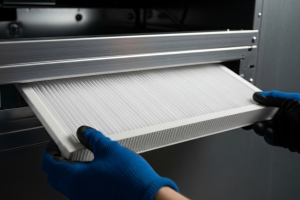
There are multiple effective ways to limit winter energy loss, from sealing air leaks to improving insulation where it counts.
Regular filter changes maintain airflow stability, while clearing vents and returns enable proper circulation. Smart thermostat schedules can reduce unnecessary runtime and support winter energy-saving tips that align with daily routines.
Making mid-level upgrades, such as duct sealing or additional insulation, often delivers noticeable savings. Professional evaluations remain the fastest way to identify hidden losses that basic adjustments cannot solve.
Stop Overpaying Your Energy Bill With HVAC From A. Borrelli Mechanical
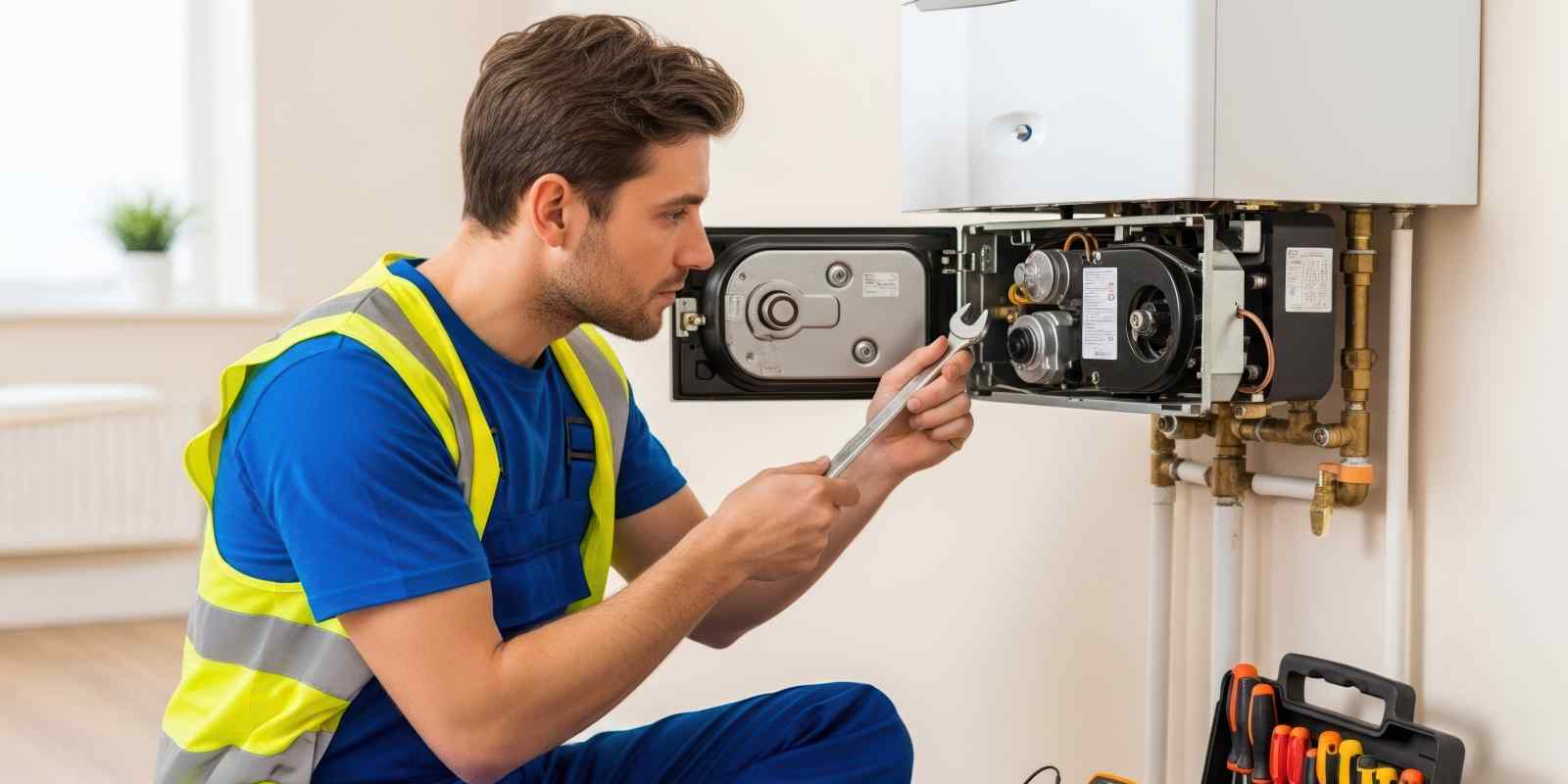
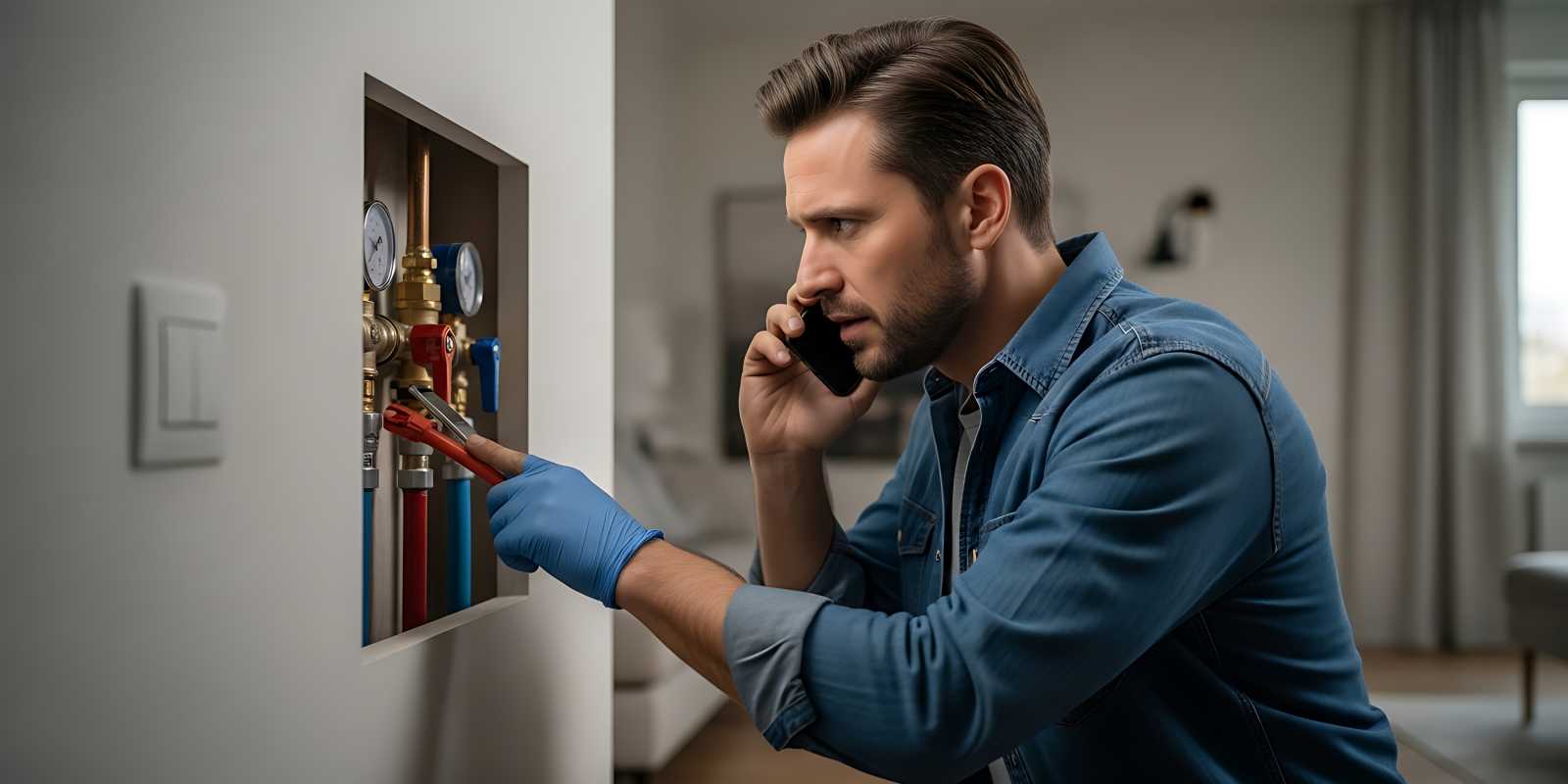
Reducing energy waste in heating systems starts with an accurate diagnosis. Our technicians at A. Borrelli Mechanical carefully assesses airflow, duct conditions, equipment performance, and system controls in your Westchester County home’s HVAC system to identify potential energy-loss areas.
Our winter efficiency checks help homeowners lower the high heating bills that winter brings while improving comfort throughout the home. Schedule a system assessment with our team today and take control of heating costs before the season pushes them higher.