Spring in Westchester County is the calm before the heat, and it is often the difference between a smooth summer and an emergency service call. As your home shifts from furnace operation to cooling mode, your HVAC system moves into its most demanding season.
Taking action now protects comfort, controls energy costs, and reduces the risk of breakdowns during July heat and humidity.
| In This Article: Today’s guide walks you through practical furnace-to-AC transition tips, explains what a thorough spring AC tune-up in Westchester County should include, and outlines why this season is ideal for planning air conditioning installation before peak demand hits. |
Why Spring Is the Ideal Transition Window for NY Homeowners
In the Hudson Valley, spring functions as a period of natural pause between the need for heavy heating and constant cooling.
Your equipment is no longer working overtime for winter, and it hasn’t yet been pushed by the July heat. That breathing room makes it easier to catch wear and tear before it turns into a mid-summer breakdown.
As temperatures spike during the first heatwave, we see one of the most common types of service requests. A system that looked fine all winter suddenly struggles with issues like dirty coils, clogged filters, weak airflow, or low refrigerant, which can lead to longer runtimes and uneven cooling.
The Essential Spring HVAC Maintenance Checklist
A smooth transition from heating to cooling involves shutting down your furnace properly and preparing your air conditioner for steady operation in humid conditions. Some steps are simple homeowner tasks; others are best handled during a professional visit.
Decommissioning the Heating System Safely
Before turning off your furnace or boiler for the season, it makes sense to confirm it finished winter in good condition. After months of steady operation, taking the following steps creates a clean starting point for the cooling season:
- Replace the furnace filter so airflow begins fresh and unrestricted
- Inspect the blower compartment for excessive dust or debris
- Arrange professional burner cleaning if the system carried most of the heating load this winter
Combustion systems deserve particular attention. The EPA explains that carbon monoxide is produced when fuels burn and can reach unsafe levels if equipment malfunctions, so try to look for any soot buildup, unusual odors, or inconsistent burner cycling.
Take the time to confirm that carbon monoxide alarms are operational and that exhaust vents remain clear. During spring visits in Westchester homes, we often find minor issues that are easy to correct when they’re caught early.
Cleaning around the unit also helps. Storage boxes, dust, and clutter can restrict airflow or get pulled into the system during occasional cool nights.
Preparing the Outdoor Condenser for Cooling Duty
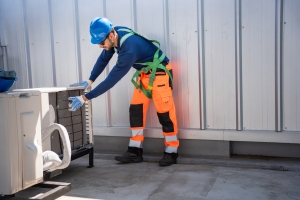
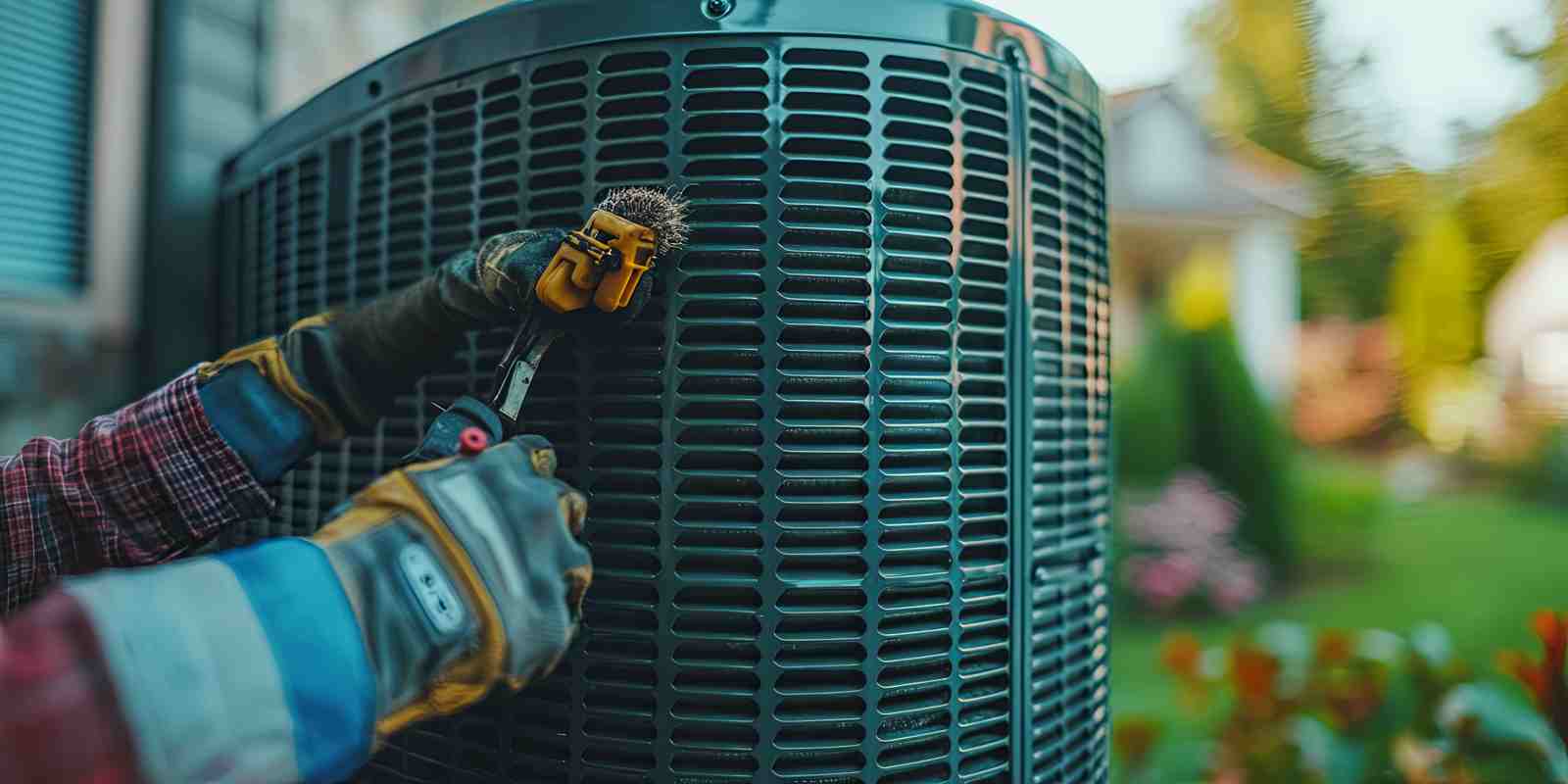
Winter weather often leaves outdoor equipment coated in debris or slightly shifted from its original position. Before summer arrives, take time to clear and inspect the area thoroughly:
- Remove leaves, twigs, and branches that block airflow through the condenser
- Prune plants and shrubs that are encroaching on the unit
- Check for bent fins, loose panels, or a pad that may have shifted during freeze-thaw cycles
Restricted airflow results in longer runtimes and higher operating costs. In our experience servicing residential HVAC systems throughout Westchester, clogged condenser coils are a frequent cause of early-season cooling complaints.
Refrigerant lines should also be inspected because any cracked insulation or visible wear can reduce efficiency and point to rodent damage or winter abrasion. Professional maintenance includes verifying refrigerant levels, as an improper charge affects performance and system lifespan.
As cooling begins, monitor the condensate drain. Water pooling or musty odors may indicate a partial blockage that should be cleared before humidity peaks.
Calibrating Controls and Air Distribution
To avoid frustration in the future, it’s important to test your thermostat before the demand for consistent cooling arises.
Switch the system to cooling mode and lower the setpoint a few degrees below room temperature. Confirm that the indoor blower and outdoor unit start smoothly and that airflow feels steady at the vents.
Dust buildup on supply registers and return grilles can also affect performance, so you should vacuum these areas and make sure furniture or rugs are not blocking returns. Uneven cooling often traces back to airflow restrictions rather than a major equipment failure.
Homeowners who participate in Westchester HVAC seasonal maintenance contracts typically address these airflow adjustments before summer strain develops.
The Advantages of Planning HVAC Installation in Spring
Seasonal maintenance sometimes reveals that a system is nearing the end of its lifespan. When that happens, spring offers a practical window to consider replacement instead of waiting for a breakdown.
Avoiding the Summer Scheduling Crunch
July is historically the hottest month in Westchester County. When air conditioners fail during peak heat, appointment availability tightens quickly.
Planning a central air conditioning installation in Westchester in April or May allows time to review equipment options, efficiency ratings, and ductwork conditions without pressure.
Projects involving duct modifications or ductless mini-split installations in Westchester, NY, often require thoughtful design and coordination. Spring scheduling gives technicians the flexibility to complete these installations properly rather than squeezing them between emergency calls.
Many homeowners in the area frequently ask about HVAC installation cost considerations in Westchester, NY, in 2026. Your final pricing depends on system size, efficiency level, and existing infrastructure. A planned professional consultation provides clear comparisons between repair and replacement and helps you make an informed decision.
Understanding Energy Rebates and Long-Term Value
Federal energy credits under Section 25C currently apply to qualifying improvements placed in service before December 31, 2025. For installations in 2026, homeowners should confirm their current eligibility.
Utility programs remain important, particularly through Con Edison, which typically offers incentives for qualifying upgrades to air-source heat pumps. NYSERDA also maintains programs that support high-efficiency heating and cooling improvements.
Modern systems with variable-speed technology adjust output to match a home’s real-time demand. During humid Westchester summers, that means steadier temperatures and better moisture control.
Homeowners researching the best energy-efficient HVAC systems for NY homes often find that these features provide meaningful comfort and operating savings over time.
Signs Your System May Not Make It Through Another Summer
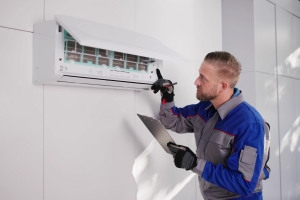
Some recurring patterns suggest it may be time to consider replacement rather than make continued repairs. Frequent short cycling, weak airflow, unusual buzzing or rattling sounds, and rising utility bills during mild weather all point toward declining efficiency.
If your system has required multiple service calls within the past couple of years, replacement may be more predictable than continued patchwork repairs.
A planned installation in spring offers greater flexibility and equipment choice than an emergency replacement during peak heat.
Secure Your Summer Comfort Today
A proactive furnace-to-AC transition allows for reliable residential HVAC performance throughout the entire year. Addressing maintenance in spring reduces the risk of breakdowns and gives you time to consider upgrades before the temperatures start to climb.
At A. Borrelli Mechanical, we have served Westchester families since 1981 with dependable HVAC services and honest guidance. Schedule your spring AC tune-up in Westchester County or request an estimate for air conditioning installation with our team today. The good guys are on the way.