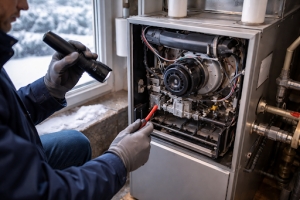
Mid-winter is when heating systems run with very little downtime, and that constant demand leaves little room for small problems to stay small. Issues that seemed harmless earlier in the season often show up now as comfort problems, rising bills, or sudden shutdowns.
Knowing what mid-winter HVAC problems to look for and recognizing their early warning signs can help homeowners avoid emergency calls during the coldest days of the year.
| In This Article: You will learn which mid-winter HVAC problems show up most often, how cold weather and constant operation strain heating systems, the warning signs that signal trouble ahead, and how to catch small issues before they become major breakdowns. |
What Drives HVAC Problems During Peak Winter Months
Heating equipment works harder in January and February than at any other time of year. Long run cycles and frequent starts increase wear on motors, ignitors, sensors, and control boards, especially in older systems or those already overdue for service.
Cold outdoor temperatures tend to reveal weaknesses in airflow, ignition, and pressure. Snow or ice around vent terminations can impede proper exhaust, and dense winter air can highlight draft and combustion issues that may go unnoticed in milder weather.
Systems pushed beyond their limits without regular HVAC maintenance are far more likely to fail in winter. When filters are clogged, airflow is restricted, or hydronic systems fall out of balance, equipment must work harder, increasing the likelihood of failures during peak demand periods.
Common Mid-Winter HVAC Problems
Most HVAC problems in winter fall into a familiar pattern. These are the issues technicians see repeatedly once systems are under sustained load.
Insufficient Or Uneven Heating
This problem often indicates airflow restrictions, failing components, or poor system balance. Dirty filters, blocked returns, closed registers, or air trapped in hydronic piping can prevent heat from reaching all areas of the home.
Frequent Cycling Or Short Cycling
Short cycling is typically caused by improper thermostat placement, overheating due to restricted airflow, or the activation of safety limits. Systems that start and stop every few minutes rarely maintain steady comfort and often experience increased wear and tear.
Unusual Noises
Noises such as banging, rattling, or whistling commonly point to issues like loose access panels, vibrating ductwork, stressed motors, or blocked airflow. In boiler systems, gurgling noises commonly signal air trapped in the piping.
Frozen Or Blocked Vents & Pipes
Ice and snow buildup can restrict intake or exhaust piping, causing shutdowns or unsafe operation. Plumbing in cold wall cavities or unheated spaces may freeze during prolonged cold snaps, leading to burst pipes and water damage.
Pilot Light Or Ignition Failures
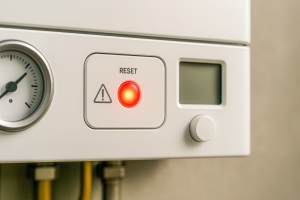
Gas systems experience an increase in ignition-related issues during heavy winter use. Flame sensors can become contaminated, and venting problems may interfere with safe ignition cycles.
Rising Energy Bills
One of the most overlooked common HVAC issues in cold weather is a sudden increase in energy costs. When a system works harder to maintain the same temperature, inefficiencies often show up quickly on utility bills.
Early Warning Signs Homeowners Should Watch For
Subtle changes usually start to appear long before a heating system breakdown. Noticing and responding to these warning signs makes it easier to address problems before they escalate:
- Weaker airflow from supply vents or louder return air noise
- Rooms that stay colder than others or have wide temperature swings
- Longer runtimes or frequent short cycles
- New noises, burning smells, or combustion-related odors
- Thermostat readings that do not match how the home feels
Carbon monoxide alarms should always be taken seriously. Any alarm activation or physical symptoms, such as dizziness or nausea, require immediate professional attention.
Furnace-Specific Mid-Winter Issues
Furnace problems in winter often start off with airflow restrictions. Clogged or dirty filters can cause heat to build up inside the furnace, triggering overheating conditions and automatic safety shutoffs.
Constant operation increases strain on blower motors, which may result in humming, squealing, or reduced airflow. Ignition or flame sensor issues also become more common as sensors accumulate oxidation during extended use.
Gas furnace issues should never be ignored. Repeated shutdowns, delayed ignition, or unusual smells warrant professional inspection due to fire and health risks.
Boiler-Specific Mid-Winter Issues
Boiler problems in winter often develop gradually. Low or fluctuating pressure may result from leaks, expansion tank problems, or fill valve issues; pressure changes sometimes trigger the relief valve to discharge or cause uneven heating.
Air trapped in radiators causes cold spots, slow warm-up, and gurgling sounds, especially on upper floors. Sediment and corrosion byproducts can build up over time, leading to noisy operation and reduced heat transfer.
Boilers typically give warning signs well before failure. Small shifts in pressure, unfamiliar sounds, or reduced comfort levels often point to deeper problems that are easier to resolve when caught early.
How To Catch HVAC Problems Early
Simple maintenance habits make a real difference during the winter. Checking filters every 30 days during periods of heavy operation supports proper airflow and minimizes unnecessary strain on the system.
Routine visual inspections add another important layer of oversight beyond just basic instrument readings alone.
Outdoor vent terminations should remain clear after storms, and registers or radiators should stay unobstructed. Boiler pressure gauges that drift outside normal ranges provide valuable diagnostic information.
Monitoring energy usage and daily runtime offers another clue. Rising heat time without improved comfort often points to developing efficiency problems.
Scheduling a mid-winter maintenance check when symptoms appear can address airflow, combustion, or hydronic issues before they escalate.
Preventing Mid-Winter HVAC Breakdowns
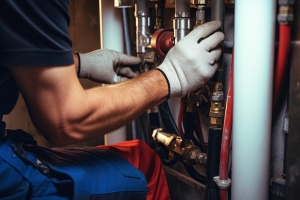
Annual maintenance completed before peak heating season remains one of the best ways to prevent HVAC breakdowns. Professional service identifies wear items early and verifies safe operation under winter conditions.
A. Borrelli Mechanical maintenance services are designed to catch issues early, reduce emergency calls, and keep equipment operating closer to its intended performance during harsh winter weeks. Early service lowers stress on major components and helps extend system lifespan.
Schedule Mid-Winter HVAC Service With A. Borrelli Mechanical
Mid-winter HVAC problems rarely improve on their own, and early diagnosis protects both comfort and safety. When warning signs appear, prompt service can prevent costly damage and sudden loss of heat.
Our technicians know what to look for during mid-winter inspections because we see these problems in Westchester homes every year. Schedule service with A. Borrelli Mechanical at the first sign of trouble and get clear answers before small issues turn into big repairs.