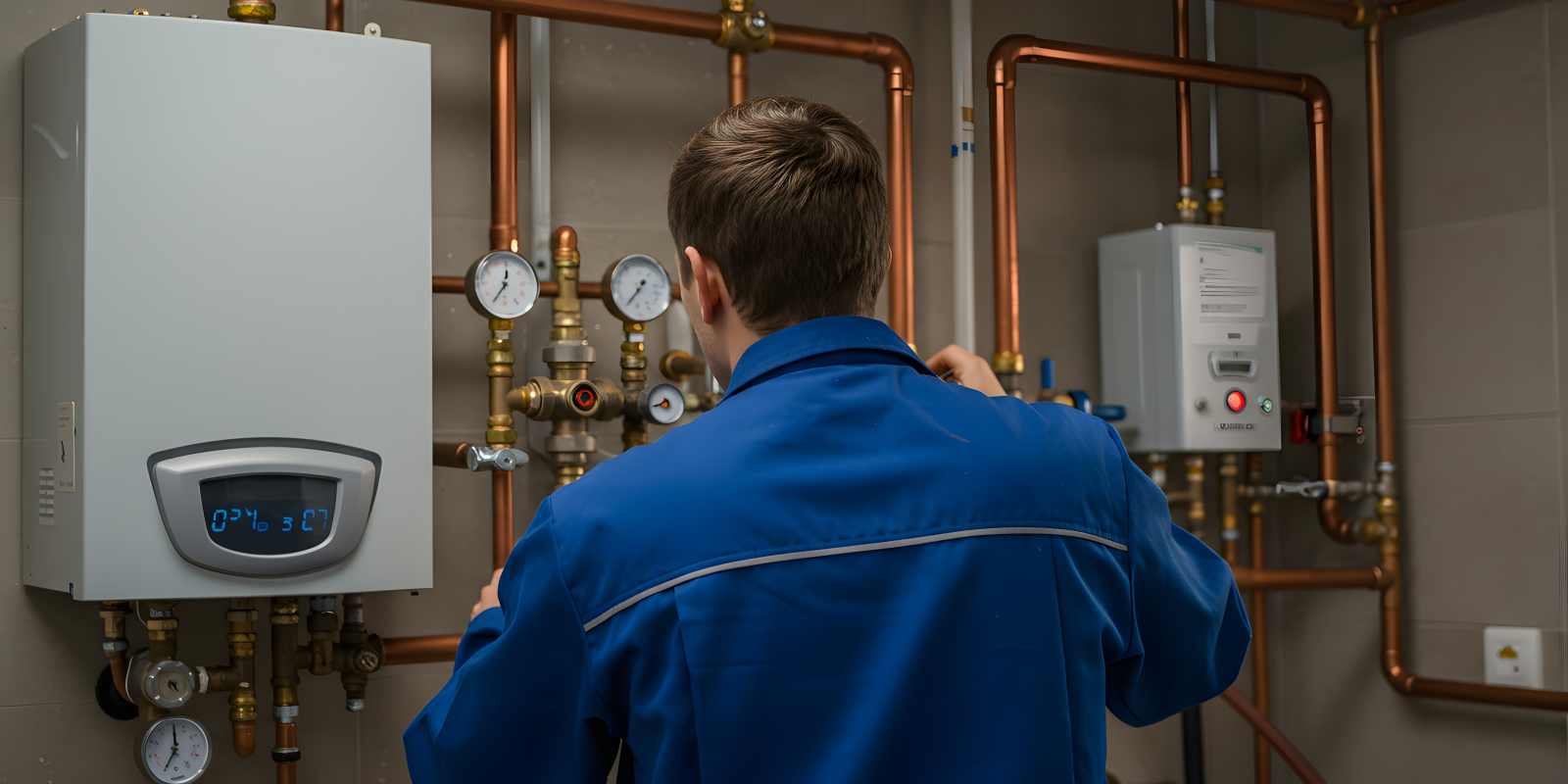
Boilers tend to do their work quietly in the background to keep your home warm, so it can be alarming when something suddenly goes wrong. Common boiler issues such as heat fluctuations, pressure swings, or unusual noises may be easily remedied, but other boiler problems require professional attention. Understanding the difference helps restore comfort quickly and safely.
In This Guide:
- The most common boiler problems and how they appear
- DIY fixes versus issues that need professional repair
- How technicians diagnose boiler problems
- Signs it’s time to call a licensed boiler repair expert
Use this guide to stay ahead of issues and ensure your boiler operates safely and efficiently.
Why Boilers Develop Common Problems
Potential sources of boiler problems can include anything from internal buildup to failing parts or incorrect settings can trigger performance issues. Most are a result of typical use:
- Daily heating cycles place steady stress on the boiler, including essential metal components, gaskets, pumps, and sensors.
- Mineral buildup from hard water often settles inside heat exchangers or radiators, and corrosion can form when oxygen enters the system.
- Electrical parts such as fans, valves, and control boards also age, so intermittent faults or shutdowns become more likely.
- Winter demand magnifies every weakness, since the boiler runs longer and temperatures fluctuate more sharply.
Scheduling routine inspections and seasonal tune-ups helps prevent many unexpected breakdowns, as minor issues can be identified and corrected before they develop into full boiler problems.
Common Boiler Problems & What Causes Them
Homeowners tend to report the same handful of symptoms whenever a boiler starts acting up. These patterns help technicians quickly narrow down the source.
Boiler Not Heating Properly
A boiler not heating often stems from misreading thermostats, faulty wiring to zone controls, or room sensors that no longer communicate correctly.
Air trapped in radiators or low system pressure can block flow, so parts of the home warm slowly or never warm at all. Circulation pumps or motorized valves may also be worn, so the boiler creates heat but cannot deliver it through the system.
Low Or High Boiler Pressure
Boiler pressure problems happen when small leaks go unnoticed, when a relief valve drips, or when the expansion vessel loses its charge.
High pressure sometimes results from an overfilled system or a stuck make-up valve that admits too much water. These swings lead to lockouts, air entering the loop, or water discharging from the relief pipe.
Strange Noises (Banging, Whistling, Gurgling)
A boiler making noise usually indicates kettling caused by scale or sludge in the heat exchanger. These deposits create hot spots and steam pockets that collapse with a rumble.
Gurgling sounds suggest trapped air, while sharp banging may indicate water hammer or a pump that is pushing too strongly or seizing.
Pilot Light Or Ignition Problems
Debris on flame sensors, worn ignition electrodes, or a weak gas supply often cause repeated flame failure. Older systems with standing pilots may have thermocouples that are failing and cannot hold the gas valve open.
Modern boilers rely on safety interlocks, so a blocked flue or failed fan can interrupt ignition immediately.
Water Leaks Around The Boiler
A boiler leaking water may be dealing with aging gaskets, loose fittings, or corrosion at joints. Pressure issues can push water through the relief valve, or condensate lines in high-efficiency models may clog, which causes water to back up and spill from the unit.
Uneven Heating Or Cold Radiators
Cold spots and uneven heating commonly point to air pockets, sludge buildup, or a circulation pump losing strength. Unbalanced systems send too much heat to the close radiators and not enough to those farther away.
How Professionals Diagnose Boiler Problems
Licensed technicians follow a systematic process that protects both the home and the equipment.
They begin with safety checks, looking for gas odors, proper ventilation, and CO alarm placement. Visual inspections reveal corrosion, leaks, loose wiring, or blocked condensate pipes.
With the boiler running, they listen for unusual noises, test thermostats and valves, and observe how the system responds. Pressure readings, temperature differences, pump performance, and flow measurements help narrow down internal faults.
Through electrical evaluation, technicians confirm that every sensor, wire connection, and circuit board is performing correctly, and a combustion assessment ensures the burner is firing within safe parameters.
Technicians rely on specialized equipment that homeowners cannot safely use; this structured approach prevents guesswork repairs or unnecessary part replacements.
How Professionals Fix The Most Common Boiler Issues
Professionals rely on training, specialized tools, and hands-on experience to quickly and safely correct the most common boiler issues. Their repairs focus on restoring proper combustion, reliable circulation, and stable pressure so the system heats consistently again.
Ignition Or Pilot Light Repair
Technicians clean flame sensors, adjust burner assemblies, swap out worn igniters, and verify gas supply pressure. Safety interlocks are tested so the system lights consistently without unsafe combustion.
Restoring Proper Pressure
Repairs may include fixing leaks, recharging or replacing expansion vessels, installing new relief valves, or correcting improper filling procedures.
Clearing Air Or Sediment
Professionals bleed radiators, flush sludge from the system, descale kettling heat exchangers, and install magnetic filtration to reduce future buildup.
Replacing Worn Components
Once testing confirms they are out of specification, technicians replace pumps, valves, thermostats, sensors, and electrical controls.
Repairing Leaks
Professionals make sure every connection is tightened, fit new seals where needed, and inspect the system’s internal pieces to confirm the safest path forward for repair or renewal.
When Boiler Problems Indicate a Bigger Issue
Repeated shutdowns, rising energy bills, persistent leaks, corrosion, or strange combustion behavior suggest deeper issues such as a failing heat exchanger or aging equipment. A professional can assess long-term repair costs against the benefits of upgrading to a modern, efficient boiler.
Preventing Boiler Problems With Regular Maintenance
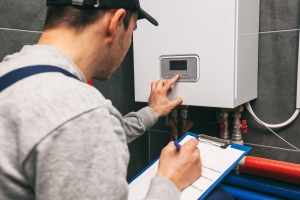
Annual maintenance helps keep performance steady and reduce sudden breakdowns. With A. Borrelli Mechanical, tune-ups include safety checks, internal cleaning, combustion testing, and adjustments to keep the system running reliably.
Homeowners can support this work by keeping the area around the boiler clear, monitoring system pressure occasionally, and paying attention to new noises.
Schedule Reliable Boiler Repair & Maintenance With A. Borrelli Mechanical
Proper diagnosis and timely repair protect your home, safety, and heating system. A. Borrelli Mechanical delivers fast, reliable service throughout Westchester County with experienced technicians who understand the full range of common boiler issues and fixes.
Book your boiler repair or inspection with our experienced team today; the good guys are on the way.