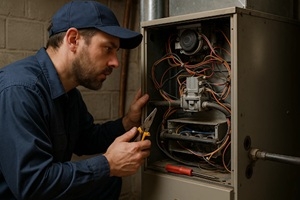
Gas furnaces in 2026 are smarter and more efficient than ever; yet, they can still experience issues. Most problems stem from a handful of familiar culprits: airflow, ignition, and safety controls.
At the same time, new federal rules are pushing manufacturers toward ultra-efficient, condensing models with more sensors and electronics, which makes basic homeowner knowledge even more valuable.
What You Will Learn: This troubleshooting guide walks you through how a gas furnace works, what typically goes wrong, and which simple checks are safe to try before calling for service.
A Quick Explanation Of How A Gas Furnace Works

A gas furnace relies on several integrated components that work together to deliver steady heat throughout a home.
- The thermostat acts as the command center, sending a signal to the furnace when temperatures fall below the chosen setting.
- Once a heating cycle begins, the ignition system lights the burners, which then heat the sealed metal heat exchanger.
- Indoor air passes around the exchanger and absorbs that warmth, while the blower motor pushes the heated air into supply ducts.
- Exhaust travels through a venting system that safely moves combustion gases outdoors.
Understanding these core components makes home furnace troubleshooting simpler because many symptoms are directly connected to how these individual components perform. Furnaces tend to stay reliable and efficient when they receive annual inspections, clean filters, and prompt repairs when early signs of trouble appear.
Common Gas Furnace Problems Homeowners Experience
Many furnace issues follow predictable patterns that show up year after year. Noticing small issues early makes it easier to avoid major repair work and higher costs down the road.
- Furnace not heating or turning on: The thermostat may be set incorrectly, batteries may be drained, or the furnace switch could be off. Other causes include tripped breakers, loose access panels, or internal faults such as failed control boards or gas valve problems.
- Pilot light or ignition problems: Clicking from the igniter, burners that light only briefly, or repeated failed starts can point to cracked igniters, dirty flame sensors, misaligned burners, or low gas pressure.
- Short cycling or rapid on and off behavior: A furnace that runs for very short periods before shutting down usually has airflow restrictions, thermostat issues, or sizing mismatches. Dirty filters often cause overheating that triggers a safety limit.
- Strange noises or burning smells: Grinding or scraping may indicate blower issues, while booming on startup may signal delayed ignition. Persistent rattling may indicate loose panels or concerns with ductwork. A light dusty scent is normal during first use, but smoke or electrical smells signal a problem that needs immediate professional attention.
- Weak airflow from vents: Restricted filters, blocked registers, leaky ductwork, or blower motor problems are common sources of low airflow. Poor airflow can overheat the heat exchanger and lead to additional repairs.
Spotting these issues early helps reduce stress during severe weather and may avoid unexpected breakdowns.
Step-by-Step Gas Furnace Troubleshooting Checklist
Homeowners can try a handful of simple checks before requesting service. These furnace troubleshooting steps often help identify small issues that prevent the system from running properly, and they provide your technician with helpful information when scheduling a visit. If you notice any warning signs, call a 24/7 professional.
Step 1: Check Thermostat Settings & Power Supply
Check that the system is in “Heat” mode and that your target temperature is higher than the room temperature. If the screen appears blank, the batteries may need to be replaced. Smart thermostats can also lose connection or show alerts in their apps, so review any notifications.
Look inside your electrical panel to see if the breaker marked “Furnace” or “HVAC” has switched to the off position or feels “spongy” in the on position. If the breaker keeps tripping, keep it off and call a technician because resetting it repeatedly can be unsafe.
Step 2: Inspect & Replace Dirty Air Filters
Filters that are clogged with dust restrict airflow and cause many gas furnace problems. Remove the filter, take a close look at its condition, and swap it out if it shows heavy dust or matting.
Use the correct size and follow the airflow arrow on the frame. After replacing it, run the furnace to see if airflow or cycling improves.
Step 3: Examine Pilot Light Or Ignition (If Safe To Do So)
Pilot light problems are more common than you may think. Some furnaces use sealed combustion and may not have a visible flame, but if yours does, watch what happens when the heat is called.
Watch for signs such as a glowing igniter, clicking sounds, flame ignition, or ignition that cuts out quickly. These observations help a technician determine if the igniter, flame sensor, or burner pattern needs attention.
Older standing-pilot systems require extra caution. A healthy pilot appears steady and blue. A yellow or weak flame should be checked by a professional. Avoid repeated relighting attempts since this can allow unburned gas to accumulate.
Step 4: Verify Gas Supply & Ensure The Shutoff Valve Is Open
If none of your gas appliances are operating, the problem could be related to the utility provider rather than your furnace. If they function normally, look for the manual gas shutoff valve near the furnace.
The valve usually has a small handle that should sit parallel with the gas pipe when open. If you are unsure about its position or if it feels difficult to move, stop and schedule service.
Any rotten egg odor or hissing near gas lines requires immediate evacuation and a call to emergency services or your gas provider.
Step 5: Check Circuit Breakers & Furnace Switch
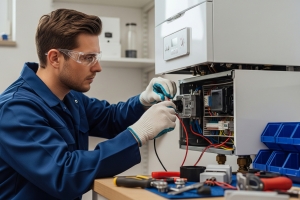
Many systems use separate breakers for the blower or air handler. Check these breakers and look for a nearby disconnect switch as well.
A single tripped breaker may result from a brief power surge, but repeated trips usually signal wiring or motor trouble. Leave the breaker off until a technician can inspect it.
Step 6: Pay Attention To Unfamiliar Noises That Might Signal a Motor or Blower Problem
Pay attention to sounds coming from the furnace or vents when the system runs. Squealing, grinding, or rattling often points toward motor or blower concerns.
If the furnace warms up but only limited air reaches the rooms, the blower may be overheating or running at the wrong speed. Modern variable-speed motors require specialized tools for diagnostics, so unusual noises deserve prompt professional attention.
Troubleshooting Specific Furnace Components
Once the basics are reviewed, understanding internal furnace behavior gives you better insight into potential problems.
Ignition System Or Pilot Light
The ignition sequence involves the thermostat calling for heat, the inducer fan starting, the igniter heating, and the gas valve opening so burners can light. When the flame sensor confirms proper burning, the cycle continues.
Dust buildup on the igniter, misaligned burners, or a faulty pressure switch can interrupt this process. Repeated clicking or brief flame followed by shutdown often points toward ignition issues that require trained assessment.
Blower Motor
The blower motor moves heated air throughout your home, so any mechanical problem disrupts comfort. Weak airflow, overheating, or a motor that starts and stops quickly are common signs.
High-efficiency ECM motors adjust speed automatically and require proper wiring and control board settings. A technician may check motor amperage, capacitors, and static pressure to confirm where the problem begins.
Flame Sensor
This slender sensor monitors whether a flame is present during operation. When the sensor fails to register a flame, it automatically shuts the gas valve to protect the system. A furnace that lights and then quickly shuts down often has a dirty or oxidized flame sensor.
Cleaning or replacing the sensor usually requires access inside the burner compartment, so it is a job best handled by a professional.
Thermostat
A thermostat that misreads room temperature, cycles the furnace too often, or loses connection can cause uneven heating. Placement near vents, windows, or direct sunlight may lead to inaccurate readings.
Compatibility matters as well since many high-efficiency furnaces in 2026 rely on specific controls to modulate heat output correctly. Calibration or rewiring may be needed if symptoms continue.
Maintenance Tips To Prevent Future Furnace Problems
Annual professional inspections help keep your system safe and dependable. A licensed technician checks the heat exchanger, combustion quality, venting, sensors, and blower performance to maintain optimal operation. The service visit boosts efficiency and identifies small concerns before they escalate.
A. Borrelli Mechanical provides preventative gas furnace maintenance plans with seasonal inspections, priority appointments, and reduced repair costs. These plans help extend the life of the furnace and keep the equipment performing at its best.
Homeowners who participate in regular maintenance often experience fewer emergency calls and better heating performance throughout the season.
Replacing filters is still one of the easiest and most impactful upkeep steps you can take. Most homes need a filter replacement every two to three months, though pet owners or dusty households may require more frequent changes.
A pre-winter checkup also helps prepare the system before cold weather arrives and gives technicians time to clear condensate drains, inspect connections, and test all safety controls.
When You Should Call An Experienced HVAC Company
Certain furnace symptoms should lead directly to professional service. Gas smells, hissing near the fuel line, or any sign of carbon monoxide exposure requires immediate evacuation and emergency assistance.
Furnaces that repeatedly shut down, display error codes, or ignite with loud bangs should be evaluated promptly. Water around a high-efficiency unit, soot near the front panel, or visible flame rollout also requires expert attention.
Only certified technicians should work on gas lines, ignition systems, or heat exchangers. A. Borrelli Mechanical has trained professionals who can diagnose these issues safely and restore your heating system with same-day service when possible.
Schedule Expert Gas Furnace Service With A. Borrelli Mechanical
DIY checks can help you understand what might be happening with your furnace, but trained technicians bring the tools, experience, and safety knowledge needed for lasting repairs. Routine service supports comfort through the winter and helps your equipment run efficiently.
When your furnace needs attention, the good guys are on the way. Schedule your 2026 furnace inspection or repair with A. Borrelli Mechanical and restore your home’s comfort, fast.